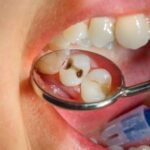

Cavities are a condition that is often considered trivial. In fact, if left untreated, cavities can get worse and eventually cause severe pain to the point where the tooth falls out. Infections in cavities can even spread to other parts of the body. Not caused by worms, cavities are generally triggered by the habit of consuming sweet foods or drinks followed by poor dental and oral hygiene, which then causes plaque. This accumulated plaque then damages the tooth layer and causes cavities. Although more common in children, many adults also experience cavities. Therefore, it is important to know what habits or conditions can increase the risk of cavities and the dangers of cavities.
Complications of Cavities
There are various complications from cavities, ranging from tooth abscesses, swelling, shifting of the tooth position after the tooth falls out, to serious infections that are life-threatening.
Therefore, cavities should be treated as soon as possible. If explained further, here are some complications of cavities:
- Toothache
A cavity can cause a toothache. The pain in the tooth can not only interfere with concentration, but also daily activities. If the pain that appears lasts a long time, this condition can cause a decrease in appetite so that you will lose weight.
- Gum disease
Cavities can also trigger gum disease. This can happen when bacteria from cavities infect the gums, causing them to become red, swollen, and bleed easily. One gum disease that is closely associated with cavities is periodontitis. This is a gum infection that can damage the soft tissue and bone that supports the teeth.
- Tooth abscess
A cavity left untreated can cause a tooth abscess, which is the formation of a pus pocket in the tooth and gums due to bacterial infection. A tooth abscess must be treated immediately because this infection can cause serious complications that endanger the life of the sufferer.
- Endocarditis and sinusitis
Bacteria from cavities can cause infections in the walls and valves of the heart. This condition is also called endocarditis. In addition, bacterial infections in the teeth can also spread to the walls of the sinus cavity and cause sinusitis.
- Sepsis
Bacteria in cavities can enter the bloodstream and cause an infection called sepsis. This condition occurs when the body fights an infection uncontrollably, damaging its own tissues. Sepsis can progress to septic shock, which causes organ damage and even death. Pregnant women should also be aware of this condition, as it can increase the risk of complications during pregnancy.
Tips to Prevent Cavities
There are several ways you can prevent cavities, including:
- Regular dental check-ups
Regular dental check-ups are very important to prevent dental and oral problems. You are advised to have your teeth checked by a dentist at least once every 6 months. In addition to consulting about dental health, you can also undergo dental cleaning to prevent the appearance of bacteria that cause cavities.
- Consumption of low-sugar foods and drinks
The main cause of cavities is excessive consumption of sweet foods and drinks. Sugar in food or drinks will be converted into acid by bacteria in the mouth, which can damage tooth enamel. This damage to tooth enamel can cause cavities. Instead, you can eat fruits or chew gum that does not contain sugar. You are also allowed to enjoy coffee and tea, as long as you do not add sugar.
- Brush your teeth regularly
Brush your teeth at least twice a day, especially after meals and before going to bed. Use toothpaste that contains fluoride to prevent cavities and tooth decay. After brushing, clean between your teeth using dental floss or rinse with a mouthwash that contains fluoride.
- Drink enough water
You are also advised to drink more water to prevent cavities. Water can increase the production of saliva in the mouth which plays a role in distributing fluoride to all parts of the teeth.
Cavities are indeed a common condition experienced by almost everyone. However, this condition cannot be underestimated because dental and oral health can affect the overall condition of the body, even at risk of causing complications as previously mentioned. If you experience symptoms of cavities, such as toothache for no apparent reason, teeth feel sore when eating or drinking, you should consult a doctor. Especially if you have seen a hole in your tooth, immediately check with a doctor to get the right treatment.