
Definition of Sport
Sport is any form of physical activity performed either competitively or casually. Sport is generally intended to maintain or improve physical abilities and skills while providing relaxation to the person doing the sport and entertainment to the person watching.
Types of Sports
Nowadays, there are various kinds of sports that you can do, depending on your individual interests and needs. However, here are some examples of common sports:
- Running
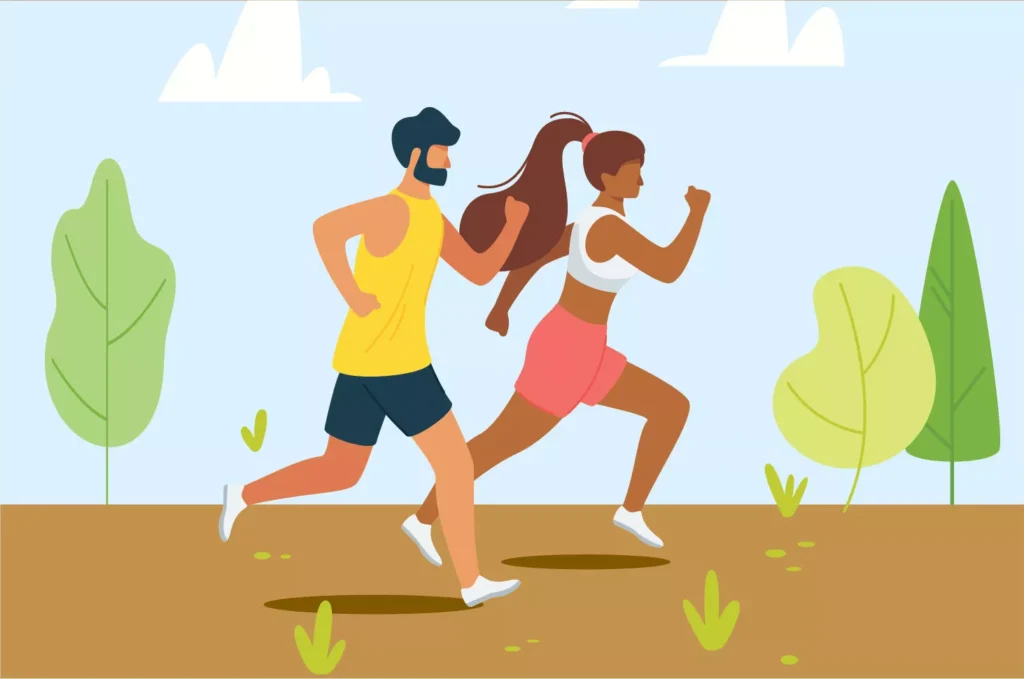
Running is an effective cardiovascular exercise to improve endurance and heart fitness. You can run outdoors or on a treadmill. - Cycling
Cycling is good to do outdoors or in the gym using a stationary bike. This sport helps to increase muscle strength, endurance, and trains the cardiovascular system. - Swimming
Swimming is a sport that moves the whole body, so it trains muscle strength and endurance. This sport is also low impact and suitable for all ages. - Yoga
Yoga is a combination of body movement, breathing, and meditation. This sport helps improve flexibility, core strength, balance, and relaxation. - Weightlifting.
Weightlifting or strength training involves using weights or body weight to train and strengthen muscles. This helps improve strength, bone density, and metabolism. - Aerobics.
Aerobics is an exercise that involves repetitive cardiovascular movements at high intensity. It helps improve cardiovascular fitness, calorie burning, and muscle strength.
These are just a few examples of popular sports, but there are many other types of sports such as basketball, badminton, gymnastics and many more.
Benefits of Exercise for Body Health
Exercise holds various privileges for the body if you do this activity regularly. Here are some of the benefits of exercise that you can get if you do it regularly:
- Keeping away various diseases
According to a study published in the Wiley Journal, exercise can increase the body’s resistance so that it is not easily sick. When exercising, the body will be freer to move. This will trigger the metabolism process and blood circulation to be smoother. The result is a healthier and stronger body, and is not easily attacked by disease.
Not only preventing common diseases, an active body can prevent the risk of chronic diseases. Physical activity can reduce the acceleration of biological aging, increase fitness, and prevent metabolic syndrome, obesity, and insulin resistance.
- Improve your posture
Exercise moves all parts of your body, which can increase flexibility. Your muscles also become more elastic and less stiff. For children, exercise is very important to support the development of their posture.
Children who exercise regularly since childhood will have a straight posture and will not hunch over when walking. Health facts contained in the Journal of Physical Therapy Science, state that proper posture can reduce the risk of back pain, shoulder pain, and joint pain.
- Stimulate ideal growth
When the body is used for activities, the calories in it will burn more optimally. Calories will be processed by the body into energy as a whole, without any remaining and potentially causing body fat deposits. The body will also get enough nutritional supply to facilitate the growth and development process ideally.
- Improve thinking power
In addition to being beneficial for physical health, regular exercise also plays a good role in improving thinking power, especially in children. Physical activity that you do routinely can make the brain more nutritious. As a result, the brain can experience periodic development that helps the child’s learning process to be more optimal.
- Increase appetite and optimal digestive system
Exercise movements can stimulate the digestive organs to also move actively. The digestive organs will work more optimally to provide the energy the body needs.
- Preventing the risk of injury
An active body will prevent you from the risk of injury when doing certain activities. When the body is used to exercise, your flexibility and muscle endurance will be trained. Lifting heavy weights or suddenly doing specific movements will not be a problem for you.
- Smoothens blood circulation
Exercising can also make blood flow smoother and oxygen supply can be distributed well throughout the body. This will also improve performance in daily activities.
- Maintaining bone and joint health
Exercise can maintain bone and joint health. Physical activity can increase the production of fluid in the joints so that it is useful for lubricating the joints. This condition makes the joints more slippery and flexible.
- Helps maintain healthy skin
Your skin can be affected by the amount of oxidative stress that occurs when the body’s antioxidants cannot fully repair free radical damage to cells. This condition can damage internal structures and damage the skin.
By exercising regularly, the production of natural antioxidants in the body will increase. This condition can help protect cells, stimulate blood flow and induce skin cell adaptation that can help delay skin aging.
- Meet a healthy community
Not only health benefits, regular exercise can also introduce you to a healthy community. Building a healthy community can make someone more enthusiastic, get positive influence, so that life is more useful and quality.
- Improve the ability to perform daily activities
A fit body due to regular physical activity can improve the ability to perform daily activities. For example, as simple as climbing stairs, shopping for necessities at the market, even for the elderly such as playing with grandchildren. For older adults, doing regular exercise can improve physical function and reduce the risk of falls or injuries from falls.
- Stimulate creativity
Being physically active can help stimulate creativity. Because, by doing physical activity you tend not to get stressed easily, your mind is also fresher. Positively, you can have fresh ideas and be faster in executing something or an issue. Physical activity can also build bonds between family members.
Groups That Need Sports
Everyone needs exercise, both young and old. Even exercise should be a habit that needs to be instilled in children from an early age.
People who suffer from certain medical conditions such as diabetes or obesity need active movement as a daily routine. In addition, exercising is often part of a relaxation health therapy method for people with stress, bone health problems, and other health disorders.
The Right Time to Exercise
A common rule of thumb is to do 30 minutes of moderate physical activity every day, for a total of at least 150 minutes of moderate movement each week. For those of you who want to make physical activity a daily routine, you can add 75 minutes of intense exercise each week. Make sure you don’t force your body to do physical activity when you are sick or injured.
In addition, you can also discuss with your doctor if you are confused about the intensity and when is the right time for physical activity. If you need professional medical advice on a healthy lifestyle plan that includes types of physical exercise and healthy eating patterns, you can ask or consult a doctor directly.
Things to Consider Before and After Exercising
In order to get maximum results and in accordance with the initial goal, there are several things you need to pay attention to before and after exercising. Here’s the explanation!
Before exercising
Preparation before physical exercise includes the following:
- Warm up properly
Do a warm up before exercising to prepare your body physically and mentally. Warm up can be in the form of light gymnastics, stretching, or dynamic movements to tighten muscles and increase blood circulation.
- Choosing the right clothes
Wear clothes that are comfortable and appropriate for the type of exercise you are going to do. Clothes that are too tight or too loose can interfere with movement and increase the risk of injury.
- Eating snacks
Eat snacks containing carbohydrates about 1-2 hours before exercising. Avoid heavy foods so as not to interfere with digestion during activities.
- Drink enough water
Make sure your body is well hydrated before physical exercise. Drink enough water to avoid dehydration during physical activity.
- Be aware of your health conditions
If you have a specific health condition or are recovering from an injury, consult your doctor or fitness professional before starting an exercise program.
After exercise
Post-workout cramps often occur when you forget to cool down. Not only cooling down, there are other things that need to be done after this physical activity, namely:
- Proper Cool Down
Do a cool down after exercise to gradually lower your body temperature. Cool down movements can be light gymnastics or stretching that helps return muscles to normal. - Get enough rest
Give your body time to rest and recover after physical activity. Getting enough sleep is important for repairing muscles and restoring the body’s energy. - Consume nutritional intake
Make sure to eat healthy and nutritious food after physical activity. The combination of carbohydrates and protein helps restore muscles and repair body tissues. - Drink water
Continue to drink plenty of water after exercise. This helps replace fluids lost during physical activity. - Evaluate and record progress
Don’t forget to record your progress after exercising. Measuring improvements in performance and physical condition will help you set targets and monitor your exercise progress.