Protein is one of the nutritional ingredients that should be included in complementary foods for breast milk. Because this nutritional intake is actually needed by babies and can provide a number of benefits for their development. In general, babies need intake of vegetable and animal protein. Animal protein intake for babies can provide many benefits, both for growth and development. Protein in complementary foods can help build muscles and bones. Apart from that, this nutrient is also needed for the development of the baby’s brain. Animal and vegetable protein are both needed and important for baby growth.
Complementary food menu for breast milk that is rich in protein
Complementary foods given to babies must be rich in the nutrients needed for the baby’s growth. One of the nutrients that must be present is protein. Apart from functioning as an energy source, the protein in complementary foods for breast milk also plays a role in the formation of bones, muscles and the baby’s immune system. There are two types of protein that can be given to babies, namely animal protein and vegetable protein.
- Animal protein
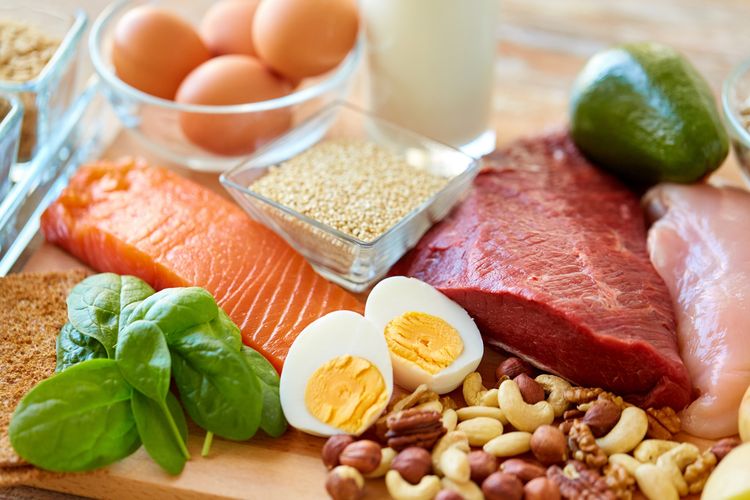
Animal protein intake is important for baby growth and development. There are various types of food that can be a source of animal protein for complementary foods for breast milk. Mothers can choose types of food such as beef, seafood or poultry. In fact, intake of animal protein is very important and is called the most complete protein because it contains essential amino acids. This content can help optimize the baby’s growth and development.
There are several types of food that are sources of animal protein, namely meat, fish and eggs. For the complementary food menu for breast milk, mothers can choose between beef or chicken for babies. Both have healthy benefits. Beef contains iron, zinc and protein. This nutritional content is beneficial for children’s growth and development. Meanwhile, chicken meat contains a lot of protein and vitamin B6 which can produce energy for the body.
- Vegetable protein
Apart from animal protein, babies also need to get vegetable protein intake. This type of protein can be obtained from vegetable or plant products. There are various types of food that can be chosen as complementary foods for breast milk to meet the baby’s vegetable protein needs. Mothers can try several types of food sources of vegetable protein, such as tofu and tempeh, red beans, peanut butter, green beans, and avocado.
Apart from paying attention to the type of food and its nutritional content, there are other important things that mothers must also pay attention to when preparing complementary foods for breast milk. In this case, it is important to ensure that the food given to babies has a soft texture, so that it will be easier to digest. In addition, babies may refuse or feel unsuitable for the type of food they are given. If that happens, avoid forcing the baby to eat it. Instead of providing healthy benefits, this can actually make the baby vomit and have difficulty swallowing food. This will actually make the child refuse food and be reluctant to eat again. If that’s the case, the baby is actually at risk of experiencing a lack of nutritional intake.


 Some foods for 6 month old babies to gain weight