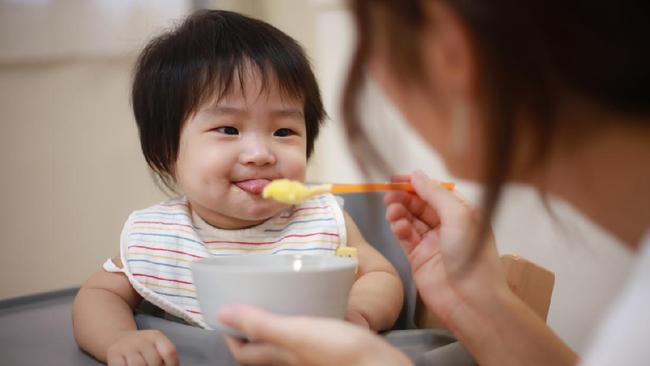

When 6 months old, the baby will enter the stage of complementary feeding. Mothers need to introduce babies to solid foods other than breast milk to meet their increasing needs. It is important to ensure that babies eat healthy and nutritious food. When a baby is 6 months old, he is just learning to chew. His first food should be soft so that it is easy to swallow. Food can be pureed or finely mashed fruit and vegetables. However, if the porridge is too runny, the nutrition will not be perfect. To make it more nutritious, make sure to cook food until it is thick enough.
How to Make 6 Month Baby Food
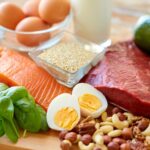
According to the Centers for Diseases Control and Prevention (CDC), the focus of food preparation should be on choosing foods that are easy to mash. Make sure the porridge contains balanced nutrition, namely carbohydrates (rice, oatmeal, tubers and noodles), animal protein (fish, chicken and eggs), vegetable protein (tempeh, tofu and nuts), as well as vitamins and Fiber can be obtained from vegetables and fruit.
Here are several ways to make healthy and nutritious 6 month baby food:
- Use Appropriate Equipment
Several tools must be prepared to make porridge for babies aged 6 months to 1 year. Prepare a pan, colander, or slow cooker. Use a separate knife and cutting board from the cutting board you use every day. This equipment is one of the biggest media for spreading germs that can contaminate food. - Don’t Cook Too Long
Food ingredients that are cooked for too long will overcook and the nutrients will be lost. For example, vegetables, after washing, should be processed by steaming, not boiling. After steaming, vegetables can be crushed using a sieve or blender. This process also applies to other food ingredients, such as meat and fish so they don’t cook for too long. - Avoid Using Salt or Sugar
Instead of adding salt and sugar, it’s best to add herbs and spices to taste. Garlic, shallots, candlenuts, celery, and even lemongrass, can be used to add flavor to baby food. Please note, babies begin to recognize taste at the age of 7 to 8 months. If babies can eat food without salt it will be very good. However, if your baby tends to have difficulty eating, then add a little salt to enhance the taste. Please note, cheese and butter contain salt, so if you use butter, don’t add any more salt. Meanwhile, refined sugar should be strictly limited. If there is too much sugar, it can cause the baby to lose his appetite. - Make sure the food is cooked
What you really need to ensure is that all the food ingredients are perfectly cooked. Food that is not fully cooked can contain salmonella bacteria which causes diarrhea in babies. Eggs must also be served cooked, because half-boiled eggs still contain Salmonella typhosa germs. This can threaten the health of the body’s imperfect digestive and immune systems.
Homemade baby food is certainly more diverse and economical. Mothers can introduce various types of healthy and nutritious food to babies. However, it is necessary to pay attention to whether the baby has allergies or certain nutritional needs. It’s best to discuss it with your pediatrician or midwife before making homemade baby food.