
Understanding Ectopic Pregnancy
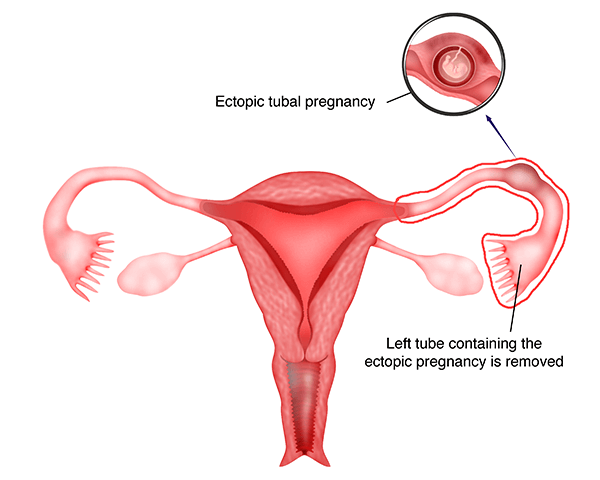
Ectopic pregnancy is a pregnancy that occurs outside the uterus. Depending on the location of the egg attachment, the symptoms of an ectopic pregnancy can resemble those of appendicitis. If not treated immediately, an ectopic pregnancy can be fatal for the mother. Pregnancy begins with an egg that has been fertilized by a sperm cell. In a normal pregnancy, the fertilized egg will settle in the fallopian tube before being released into the uterus. Furthermore, the egg will attach to the uterus and continue to develop until labor arrives. Meanwhile, in an ectopic pregnancy or pregnancy outside the womb, the fertilized egg does not attach to the uterus. Ectopic pregnancy often occurs in the fallopian tube. In addition, this condition can also occur in the ovaries, cervix or abdominal cavity.
Causes of Ectopic Pregnancy
Ectopic pregnancy usually occurs due to damage to the fallopian tubes. This damage causes the fallopian tubes to narrow or become blocked, thus preventing the movement of the egg to the uterus.
The following are some conditions that can cause damage to the fallopian tubes:
- Congenital abnormalities of the fallopian tubes.
- Pelvic inflammatory disease.
- Endometriosis.
- Scar tissue formation due to medical procedures on the uterus.
- Hormonal imbalance.
Risk Factors for Ectopic Pregnancy
Ectopic pregnancy can be experienced by any sexually active woman. However, there are factors that can increase the risk of ectopic pregnancy, namely:
- Pregnant at age 35 and above.
- IVF program.
- Sexually transmitted diseases, such as gonorrhea and chlamydia.
- Use of a spiral contraceptive device (IUD).
- Previous ectopic pregnancy.
- Smoking habits.
- History of surgery, such as abortion, female sterilization, and surgery in the pelvic or abdominal area.
Symptoms of Ectopic Pregnancy
Ectopic pregnancy tends to be asymptomatic in the early stages. Early signs of ectopic pregnancy are similar to those of a normal pregnancy, such as nausea, hardened breasts, and missed periods. In the later stages, ectopic pregnancy sufferers generally experience abdominal pain and vaginal bleeding. These symptoms will get worse over time. Sometimes, the symptoms of abdominal pain due to ectopic pregnancy are almost the same as those of appendicitis.
Immediately see a doctor if you experience the above symptoms, especially if you know you are pregnant but are still using contraception. You are also advised to immediately see a doctor if you experience the following complaints:
- Feeling dizzy or weak.
- Severe pain in the pelvis, shoulders, or neck.
- Light to heavy vaginal bleeding, with the blood being darker than menstrual blood.
- Pain on one side of the lower abdomen that gets worse over time.
Ectopic Pregnancy Treatment
The doctor will first ask questions, especially regarding the first day of the patient’s last period. After that, the doctor will perform the following examinations:
- Urine pregnancy test using a test pack.
- Blood pregnancy test, to measure human chorionic gonadotropin (hCG) hormone levels.
- Transvaginal and abdominal ultrasound, to confirm the location of an ectopic pregnancy.
It should be noted that the fetus in an ectopic pregnancy cannot develop normally. This condition can be life-threatening for the pregnant woman and must be treated immediately. Depending on the development of the pregnancy and the location of the egg attachment, the doctor can treat an ectopic pregnancy with medication or surgery.
Here is the explanation:
- Injectable medication.
Methotrexate injections can be given to stop an early ectopic pregnancy. After the injection, the doctor will monitor the hCG hormone levels in the blood every 2–3 days until the levels decrease. Decreasing hCG levels indicate that the pregnancy is no longer developing. - Laparoscopic surgery.
An ectopic pregnancy can damage the fallopian tubes and surrounding tissue. If one or both fallopian tubes are damaged, the doctor will perform laparoscopic surgery to remove the fallopian tubes. However, if possible, the part of the fallopian tube can be repaired without having to be removed. This is done to increase the chances of getting pregnant later. - Laparotomy surgery.
In patients with ectopic pregnancies who experience heavy bleeding, the doctor will perform emergency measures in the form of laparotomy surgery. This surgery is performed by making a large incision in the abdomen as a way to remove the fetus and repair the ruptured fallopian tube. After treatment, the doctor will advise the patient to take a 3-month break before planning the next pregnancy. The goal is for the uterus to recover completely and reduce the risk of ectopic pregnancy occurring again.
Ectopic Pregnancy Complications
Ectopic pregnancy can cause the fallopian tube to rupture. This condition carries the risk of complications such as heavy bleeding, shock, and even death.
How to Prevent Ectopic Pregnancy
There is no way to prevent an ectopic pregnancy. However, there are steps you can take to reduce the risk of an ectopic pregnancy in your next pregnancy, including:
- Maintain ideal body weight.
- If you smoke, stop smoking.
- Avoid behaviors that increase the risk of contracting sexually transmitted diseases.
- Undergo regular gynecological health checks.
Mental recovery of parents after ectopic pregnancy
Although short, pregnancy can build a strong emotional bond between parents and their future child. Therefore, a failed pregnancy can cause a very deep sense of sadness. This condition can cause mental stress for a long time. Therefore, parents who lose their babies due to ectopic pregnancy can share stories with relatives, friends, or people with the same experience. If this method does not help, parents can consult further with a psychologist or psychiatrist.


