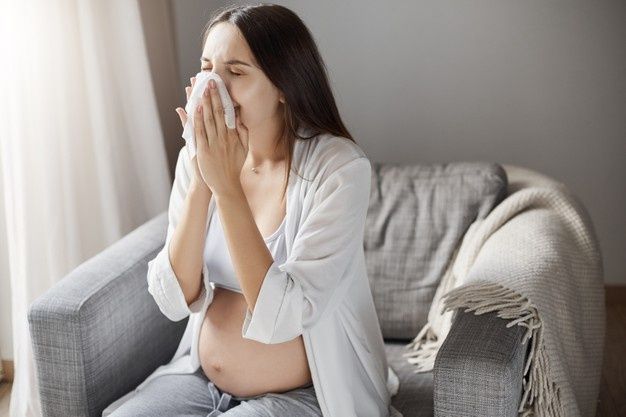

Nosebleeds During Pregnancy
Nosebleeds or epistaxis are bleeding that occurs in the nose. Even though it looks scary, nosebleeds are not a dangerous condition. The initial steps for treatment can be done independently at home. Almost everyone has experienced nosebleeds. However, this condition is more often experienced by children aged 3-10 years, the elderly, pregnant women, people with blood disorders, and people taking blood-thinning medication. Blood can come out of one or both nostrils for varying durations. Some last only a few seconds, but some last more than 20 minutes. Even though it is not a dangerous condition, you still need to be alert because nosebleeds can be a symptom of an illness.
When a woman is pregnant, she will certainly experience various health complaints that worry her, one of which is nosebleeds. However, pregnant women do not need to worry too much. Nosebleeds with mild intensity are actually normal during pregnancy. Usually nosebleeds will occur more often when the pregnancy has entered the second trimester. Nosebleeds during pregnancy generally occur due to hormonal changes during pregnancy.
Causes of nosebleeds during pregnancy
When pregnant, the blood supply in the pregnant woman’s body will increase to meet the fetus’ nutritional and oxygen needs. This condition causes the blood vessels of pregnant women to widen, including the blood vessels of the nose. Apart from that, the pressure on the fine blood vessels around the nose also increases. As a result, the nasal passages and airways become swollen, which causes blood vessels to burst more easily.
Nosebleeds can also occur when pregnant women have colds, sinusitis, or allergies, and if the membranes inside the nose are too dry due to cold or windy weather. Injuries to the nose and certain medical conditions, such as hypertension or clotting disorders in the bloodstream, can also cause nosebleeds during pregnancy.
The effect of nosebleeds on pregnancy
Nosebleeds during pregnancy are generally not dangerous for the mother and fetus, especially if they only occur occasionally. However, pregnant women need to be wary if nosebleeds occur more than once or occur continuously. The reason is, such nosebleeds may be associated with an increased risk of postpartum bleeding.
How to stop nosebleeds during pregnancy
If you experience a nosebleed during pregnancy, pregnant women should not panic. Stay calm and take the following steps to treat nosebleeds:
- Sit up straight and lower your head slightly.
- Lean forward so that the blood coming out of the nose does not enter the throat, because swallowing blood can trigger vomiting
- Pinch the bottom of your nose with your thumb and index finger.
- Breathe through your mouth and press your nose for 10-15 minutes without stopping.
- Sit upright or stand up straight, to reduce blood pressure in the nasal cavity, to prevent further bleeding.
- Then, compress the bridge of the nose with ice wrapped in a towel or cloth to stop the bleeding.
- Pregnant women can sleep on their side if they feel weak.
To prevent nosebleeds from recurring during pregnancy, avoid the following things for at least 24 hours after a nosebleed:
- Don’t blow your mucus too hard
- Don’t bend over
- Don’t do strenuous activities
- Don’t sleep on your back
- Don’t pick your nose too deeply
- Don’t smoke, because cigarettes can reduce nasal moisture and increase the risk of nasal irritation.
Apart from that, avoid consuming alcoholic drinks or hot drinks, because they can cause the blood vessels in the nose to widen and make nosebleeds worse.
Nosebleeds during pregnancy are normal and not dangerous for pregnant women. However, if nosebleeds during pregnancy do not stop after taking the steps above, or after squeezing your nose for 20 minutes, don’t hesitate to see a doctor immediately. It could be that this condition is a serious problem that requires immediate medical treatment.