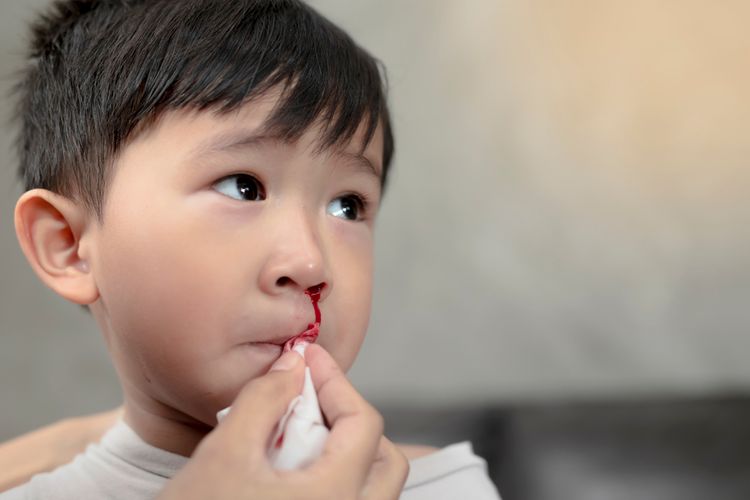

Understanding Nosebleeds
Nosebleeds are bleeding that occurs in the nose. This condition, also called epistaxis, is not dangerous, but can be a symptom of a disease. Although initial treatment can be done independently, nosebleeds that occur repeatedly need to be checked by a doctor. Almost everyone has experienced nosebleeds. However, this condition is more common in children aged 3-10 years, the elderly, pregnant women, people with blood disorders, and people who take blood thinners. Nosebleeds or epistaxis can occur in one or both nostrils, and the duration can vary. Some last only a few seconds, but some last more than 20 minutes.
Causes of nosebleeds
The most common causes of nosebleeds are dry air and nose picking. Both of these can cause tiny blood vessels in the nose to rupture, causing bleeding.
Apart from the two causes above, there are several factors that can increase the risk of nosebleeds, namely:
- Chronic sinusitis.
- Nasal injury.
- Allergies.
- Infections that cause nasal congestion, such as the flu.
- The habit of blowing your nose too hard.
- A crooked nose, either due to heredity or injury.
- Excessive use of nasal decongestants in the form of sprays.
While nosebleeds in children are mostly caused by allergies, colds, or dry air. Nosebleed blood can come from blood vessels in the front of the nose (anterior epistaxis) or the back of the nose (posterior epistaxis).
Nosebleeds originating from the blood vessels at the back of the nose can be caused by more serious conditions, including:
- High blood pressure or hypertension.
- Exposure to chemicals that irritate the nose, such as ammonia.
- Foreign objects in the nose.
- Blood-thinning medications, such as warfarin, heparin, or aspirin.
- Supplements that can thin the blood, such as fish oil, omega 3, or ginkgo biloba.
- A hard blow to the head or injury that causes a broken nose.
- A nasal tumor that grows in the nasal cavity.
- The effects of rhinoplasty.
- Nasopharyngeal cancer.
- Atherosclerotic disease.
- Conditions that cause blood clotting disorders, such as hemophilia or von Willebrand disease.
Be alert if nosebleeds occur repeatedly, because they can be a symptom of a disease, such as hypertension, blood clotting disorders, or sinusitis.
See a doctor if nosebleeds continue for more than 20 minutes, or if the nosebleed is caused by a head injury. These conditions can be signs of posterior nosebleeds and require immediate medical attention. Go to the nearest doctor or hospital immediately if the nosebleed is accompanied by symptoms of anemia, such as pale skin, fatigue, and heart palpitations. Direct medical examination is also necessary if the nosebleed is experienced by children under 2 years of age and the elderly. This is so that the cause of the nosebleed can be identified and treated by a doctor.
Nosebleed Treatment
In patients who experience recurrent nosebleeds, or if the nosebleeds are accompanied by other symptoms, the doctor will perform an ENT screening, especially in the nose. The purpose of this examination is to find out the cause of the nosebleed or the possibility of a foreign object entering the nosebleed.
If a nasal examination cannot determine the cause of the nosebleed, the doctor will perform further tests, such as:
- Blood tests, to detect blood clotting disorders.
- X-rays or CT scans, to detect abnormalities in the nose.
- Nasal endoscopy, to examine the inside of the nose.
If you or your child has a nosebleed, the first thing to do is try to stay calm and not panic. Once calm, take the following initial steps to treat a nosebleed:
- Sit up straight and do not lie down so that the pressure on the blood vessels in the nose can be reduced so that the bleeding can stop immediately.
- Lean forward so that the blood coming out of the nose does not enter the throat, because swallowed blood can trigger vomiting.
- Pinch the nose for 10-15 minutes and breathe through the mouth.
- Compress the bridge of the nose with a cold compress to slow the bleeding.
After the nosebleed stops, try not to blow your nose, pick your nose, bend over, or do any heavy activity for at least 24 hours. Also, avoid smoking and drinking alcohol. This is to prevent nasal irritation or the risk of recurrent bleeding.
If the steps above do not stop the nosebleed, then treatment by a doctor is needed. Some actions that doctors can take to treat nosebleeds are:
- Plugging the nasal cavity with gauze to create pressure on the blood vessel area.
- Closing the ruptured blood vessel using chemicals or heat energy (cauterization).
- Repairing the blood vessel in the back of the nose that is the source of bleeding through a surgical procedure.
How to Prevent Nosebleeds
There are several simple steps that can be taken to prevent nosebleeds, namely:
- Be careful when picking your nose and do not pick your nose too deeply.
- Do not blow your nose too hard.
- Quit smoking, as smoking can reduce nasal moisture and increase the risk of nasal irritation.
- Maintain the moisture of the inside of your nose by applying petroleum jelly (petrolatum) to the walls of your nostrils three times a day.
- Routinely check with your doctor if you are taking blood-thinning medications, such as warfarin or aspirin.
For parents, there are several things that can be done to prevent children from having nosebleeds, including:
- Do not smoke in the house or around your child.
- Keep the air in your child’s room from being too dry.
- Trim your child’s nails regularly to prevent injury when picking their nose.
- Apply moisturizer or petrolatum around your child’s nasal cavity.
- Conduct regular health checks on your child, especially if your child has allergies.