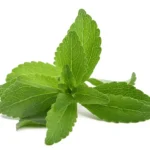
Stevia is an artificial sweetener that can be used as a sugar substitute. When compared to regular sugar, this artificial sweetener can provide a much sweeter taste without adding calories or increasing blood sugar.
Stevia is made from the Stevia rebaudiana plant. Stevia leaf extract contains steviol glycosides which are 100–400 times sweeter than regular sugar. By consuming stevia, a person can reduce their daily sugar intake without having to cut back on sweet foods.
Stevia is also believed to inhibit glucose absorption in the intestines and stimulate insulin release. Thus, this sweetener can be useful for maintaining blood sugar levels in people with diabetes, losing weight, or maintaining ideal body weight. Stevia brands include: Beeru Stevia Natural Sweetener, Drip Sweet, Equal Stevia, Stefia Truly, Tropicana Slim Sweetener Stevia.
What Is Stevia
Stevia is a shrub native to South America. Its leaves are oval and grow opposite each other. Stevia contains the chemical compound steviol glycosides which are 250–300 times sweeter than sucrose.
Stevia is classified as an over-the-counter medicine as an artificial sweetener or as a sugar substitute for diabetic patients, can be consumed by adults and children. Stevia that has been processed into an artificial sweetener is generally safe for consumption by pregnant women. However, it is advisable to limit the consumption of artificial sweeteners during pregnancy. If you are breastfeeding, limit the consumption of this artificial sweetener because it is not known whether stevia is absorbed into breast milk or causes side effects in nursing babies. Stevia can be in the form of leaves, powder, tablets, or drops (liquid).
Warnings Before Consuming Stevia
There are things you need to pay attention to before consuming stevia, including:
- Do not take stevia if you are allergic to this plant or any other plant in the Asteraceae family, such as chrysanthemums, marigolds, or asters. To be safe, tell your doctor about any allergies you have.
- Tell your doctor if you want to use stevia as a sugar substitute to control your diabetes. Your doctor may need to adjust the dosage of your diabetes medication if your daily sugar intake will be significantly lower than usual.
- Consult your doctor regarding the use of stevia if you have low blood pressure (hypotension).
- Consult your doctor regarding the use of stevia if you are taking certain medications, supplements, or herbal products, to avoid drug interactions.
- See a doctor immediately if you experience an allergic reaction to the medicine after taking stevia.
Stevia Dosage and Usage Rules
As an artificial sweetener, stevia can be mixed to taste in food or drinks. The following are general recommendations for the amount of stevia used as a food and drink sweetener based on its form:
- Liquid stevia
Mix 1–2 drops into food or drink.
- Stevia powder
Mix 1–3 grams of stevia powder into food or drinks.
How to Consume Stevia Correctly
Follow your doctor’s advice or read the information on the packaging before consuming stevia. Stevia can be used as an artificial sweetener instead of sugar. Mix the recommended amount of stevia powder or drops into food or drinks. Make sure the stevia powder or liquid is well mixed with food and drinks before consuming it.
This artificial sweetener can also be used as a sugar substitute when cooking or baking cakes or bread. However, you should know how much stevia is equivalent to the amount of sugar in the recipe. Please note that each brand of stevia can have a different level of sweetness. Store stevia in a dry place, at room temperature, and away from direct sunlight. Keep stevia out of reach of children.
Stevia Interactions with Other medicine
The following are interactions that can occur if stevia is used together with other medicine:
- Increased lithium levels in the blood if used together.
- Increased risk of low blood sugar levels (hypoglycemia) if used with diabetes medications.
- Increased risk of low blood pressure if used together with antihypertensive medicine.
Side Effects and Dangers of Stevia
Stevia is safe to use as an artificial sweetener. However, for some people, this artificial sweetener can leave a slightly bitter taste in the mouth. This aftertaste can vary from brand to brand.
There are several side effects that may appear after consuming stevia, namely:
- Bloating.
- Nausea.
- Dizziness.
- Numbness.
- Diarrhea.
- Muscle pain.
The above complaints usually improve after stevia is stopped. Consult a doctor if these side effects do not go away or get worse. You should also seek medical help immediately if you experience an allergic reaction to the medicine, which can be indicated by a skin rash, shortness of breath, or swelling of the face, tongue, or lips.