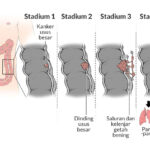

Understanding Amebiasis
Amebiasis is an intestinal infection caused by the parasite Entamoeba histolytica. This disease is often found in tropical and developing countries with poor sanitation conditions, including Indonesia. Although it can cause serious symptoms, amebiasis can be treated properly. Amebiasis occurs when someone consumes food or drinks contaminated by the E. histolytica parasite. This parasite enters the body, then multiplies in the large intestine and causes inflammation. Amebiasis or known as amoebic dysentery is generally characterized by diarrhea or abdominal cramps. In severe cases, sufferers can experience fever and jaundice.
Causes of Amebiasis
Amebiasis is caused by the parasite E. histolytica, which can enter the body and live in the intestines in several ways:
- Consuming food and drinks contaminated with Histolytica.
- Touching soil, water, fertilizer, or feces contaminated with Histolytica and then not washing your hands.
- Touching objects contaminated with Histolytica, then putting your hands in your mouth without washing your hands first.
- Having sex with someone with amebiasis, especially through the mouth (oral) and anus (anal).
Normally, E. histolytica larvae are inactive in water, soil, fertilizer, or feces. However, E. histolytica larvae become active (trophozoites) once they enter the body. These active larvae multiply in the digestive tract, then move and settle on the walls of the large intestine.
A person is at high risk of being infected with this parasite if they frequently travel to tropical countries or those with many cases of amebiasis. E. histolytica infection can progress to more severe conditions if the following factors are present:
- Alcoholism.
- Long-term use of corticosteroid medicine.
- Malnutrition.
- Cancer.
- Pregnancy.
Symptoms of Amebiasis
Symptoms of amebiasis usually appear within 7–28 days after infection. In most cases, sufferers will experience the following symptoms:
- Diarrhea.
- Stomach cramps.
- Excessive flatulence.
- Body feels very tired.
If left untreated, the parasite can penetrate the intestinal wall and cause wounds. The parasite can also spread to the liver through the blood vessels and cause a liver abscess (a collection of pus). If the condition is severe, sufferers can experience the following symptoms:
- Severe pain in the upper abdomen.
- Dysentery or diarrhea with stools mixed with mucus and blood.
- High fever.
- Vomiting.
- Swollen abdomen.
- Jaundice.
Consult a doctor if you experience severe diarrhea, especially if it is accompanied by blood or lasts more than 3 days. Do not delay seeking medical attention if you have symptoms of dehydration, such as dry mouth, sunken eyes, or excessive weakness.
Amebiasis Treatment
To diagnose amebiasis, the doctor will ask the patient the following questions:
- Symptoms experienced.
- Lifestyle.
- Diseases suffered.
- History of traveling to certain areas.
To confirm the diagnosis, the doctor will carry out supporting examinations, such as:
- Stool sample examination, to find the presence of Histolytica.
- Blood test, to detect infection in the blood and the presence of anemia, and to assess liver function.
- CT scan or ultrasound to detect inflammation or abscesses in the liver or certain organs.
- Colonoscopy, to detect abnormalities in the large intestine.
- Needle biopsy, to detect the presence of parasites by taking a sample from a liver abscess.
Treatment of amebiasis aims to kill the parasite, reduce the risk of spreading the parasite to other parts of the body, and overcome the symptoms. Treatment methods include:
- Medicines administration
Some medicines to treat amebiasis are:
-
-
- Antibiotic medication
Antibiotics, such as metronidazole or tinidazole, are used to kill parasites in the body. This medicine is usually given with antiparasitics, such as diloxanide furoate. - Anti-nausea medication
In patients who experience symptoms of nausea, doctors can prescribe anti-nausea medication, such as ondansetron, metoclopramide, or domperidone.
- Antibiotic medication
-
- Fluid replacement
The doctor will advise the patient to drink plenty of water and oralit to replace fluids lost due to diarrhea. If the dehydration is severe enough, the patient needs to be treated in the hospital. - Surgery
If amebiasis causes intestinal perforation (hole) or severe colitis, the doctor will perform surgery to remove the affected intestine. In addition, surgery can also be performed to treat liver abscesses that do not improve after antibiotics.
Complications of Amebiasis
Untreated amebiasis can cause a number of complications, such as:
- Anemia due to intestinal bleeding, especially in patients with intestinal inflammation (amebic colitis).
- Blockage or obstruction of the intestines due to a lump of tissue in the intestines (ameboma).
- Amebic liver abscess, which is the formation of an abscess in the liver tissue.
- Sepsis, which is the spread of parasitic infection throughout the body, including the brain.
- Hole in the intestine.
Prevention of Amebiasis
Amebiasis can be prevented by implementing a clean and healthy lifestyle. Some efforts that can be made are:
- Practice the habit of washing your hands with soap and running water, especially after urinating or defecating, before and after eating or preparing food, and after changing a baby’s diaper.
- Wash vegetables or fruit thoroughly, and peel them before consuming them.
- Wash cooking utensils thoroughly before use.
- Boil water before drinking.
- Consume milk and milk products that have been pasteurized.
- Be careful when choosing snacks.
- Do not share bathroom equipment, such as towels, soap, or toothbrushes, with others.