If you want to replace animal protein with vegetable protein, you must ensure that your body receives complete nutritional intake including essential amino acids. This is because amino acids are very important for the body and are often rarely found in vegetable protein.
There are two types of protein, namely vegetable and animal protein. Animal protein contains essential amino acids that the body needs. While vegetable protein is often referred to as incomplete protein, because it does not contain as many amino acids as animal protein.
Even so, vegetable protein has various benefits, one of which is preventing various chronic diseases such as stroke and heart disease. So, can vegetable protein replace animal protein?
Can Vegetable Protein Replace Animal Protein?
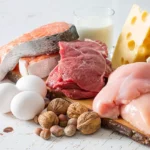
The human body produces about 20 amino acids to build proteins. However, there are nine essential amino acids that can only be obtained through food. Animal proteins such as meat, fish, and eggs are food sources that are high in these contents. Well, because of this, many people are still hesitant to replace animal protein with vegetable protein.
Indeed, vegetable protein does not contain as many amino acids as animal protein. However, by combining several vegetable proteins, it is enough to meet the needs of essential amino acids in your body. For example, you can consume soybeans, spinach, or quinoa, because these foods offer nine essential amino acids in good amounts, and are a complete source of vegetable protein.
You can see this in a study titled Dietary Protein and Amino Acids in Vegetarian Diets—A Review. The study found that people who follow a vegan or vegetarian diet get more than enough protein and amino acids. However, there is another drawback to plant protein, namely, this protein does not contain vitamin B12. So, you still need to combine it with animal protein. Or, if you follow a vegan diet, you should take a vitamin B12 supplement.
Various Sources of Vegetable Protein
So, if you want to switch to consuming vegetable protein or a plant-based diet, you can try some of the following vegetable proteins:
- Tofu and tempeh
As an Indonesian, of course you can’t miss this protein. In three ounces of tofu, there are about 8 grams of protein, and also provide calcium, potassium, and iron. Meanwhile, in three ounces of tempeh, there are 11 grams of protein, iron, a source of fiber, and potassium and calcium. - Quinoa
Quinoa is a grain that has a crunchy texture. In addition to containing complete protein, quinoa also provides more magnesium, iron, and zinc than other grains. You can use quinoa as a substitute for rice or process it into porridge. Quinoa can also be beneficial for the face. - Chia seeds
To get omega-3 you can consume chia seeds as a vegetable source. Not only that, chia seeds also contain calcium, magnesium, and selenium. Because its jelly-like texture absorbs water, you can process chia seeds as pudding or jam. - Nuts
You can use any type of nut as a substitute for animal protein. Try almonds which not only contain protein but also provide vitamin E which is good for the eyes and skin. If you want a cheaper alternative, you can try peanuts which are no less nutritious and contain healthy fats so they are safer for the heart. - Mushrooms
Not only nuts and grains, vegetable protein sources can also come from mushrooms. In fact, mushrooms contain a total of 17 amino acids, some of which are essential amino acids. Consuming mushrooms regularly can help boost immunity, lower blood pressure, and increase vitamin D needs.
That’s the information about vegetable protein. If you need other health information, you can consult a doctor directly.