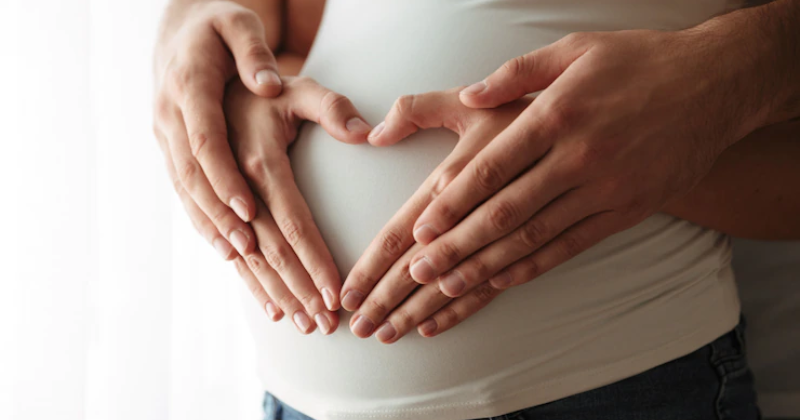

Pregnancy
Pregnancy is the process that occurs from conception to birth. This process starts when an egg is fertilized by sperm, then implants in the lining of the uterus, and subsequently develops into a fetus. Typically, pregnancy lasts for 40 weeks or more than nine months. Pregnancy spans 40 weeks between the last menstrual period and birth (38 weeks from conception).
Pregnancy is divided into three trimesters:
1. First Trimester (1 to 12 weeks)
Physically, changes may not be visibly evident in the mother, but significant internal changes occur, such as dramatic hormone level adjustments. The uterus begins to support the growth of the placenta and the fetus. The body also increases blood supply to transport oxygen and nutrients to the developing fetus.
During the first trimester, the fetus will develop all its organs by the end of the third month. It’s crucial for the pregnant woman to maintain a healthy diet, including a sufficient intake of folic acid to help prevent neural tube defects in the fetus.
During the first trimester, the risk of miscarriage is relatively high. Therefore, it is important for the mother to maintain her health and vitality. Consult with a doctor or midwife for appropriate pregnancy care.
2. Second Trimester (13 to 28 weeks)
The second trimester is often the most comfortable period for the majority of pregnant women. Many early pregnancy symptoms, such as morning sickness, will fade away. The abdomen will also start to show as the uterus grows rapidly during this time. Although nausea gradually disappears, other common complaints may include leg cramps, heartburn, increased appetite, the appearance of varicose veins, back pain, and occasional nasal congestion.
The second trimester is when the pregnant woman can feel the fetus move for the first time, typically around the 20th week of pregnancy. At this stage, the fetus can hear and recognize the mother’s voice. Several screening tests are usually performed during the second trimester. It’s important to discuss personal and family medical histories with a doctor or midwife to identify any genetic issues that could pose risks to the fetus. The second trimester is also when the fetus’s vital organs, such as the heart, lungs, kidneys, and brain, are formed. The baby’s gender can also be determined during this trimester.
3. Third Trimester (29 to 40 weeks)
The third trimester lasts from the 28th week of pregnancy until the birth of the baby. By the third trimester, the fetus can open and close its eyes and suck its thumb. It can kick, stretch, and respond to light. Entering the eighth month, rapid and continual brain development occurs. The mother might feel the shape of an elbow or heel against her abdomen. By weeks 34-36, the lungs are mature and ready to function independently.
For the mother, regular check-ups such as urine tests to monitor protein levels, blood pressure checks, fetal heart rate monitoring, and other preparations for childbirth are necessary.
Pregnancy Occurrence
Pregnancy occurs when sperm fertilizes an egg after it is released from the ovary during the ovulation process. The fertilized egg then travels to the uterus, where implantation occurs. If implantation is successful, pregnancy is established.
Signs of Pregnancy
During pregnancy, the mother may experience several common symptoms, such as:
- Missed periods. If the mother is late or does not experience a menstrual cycle, this can be a primary sign of pregnancy. However, there are other symptoms to be aware of.
- Nausea. This condition is also known as morning sickness and is due to an increase in hormones in the body of a pregnant woman.
- Spotting. Some women may notice spotting early in pregnancy, which is part of the implantation process.
- Headaches. This is another sign of early pregnancy, caused by hormonal changes and increased blood volume.
- Heartburn. Hormonal changes during pregnancy can trigger heartburn.
- Constipation. Hormonal changes also slow down the digestive metabolism, making constipation more likely during pregnancy.
- Breast changes. Changes in the breasts are a sign of pregnancy. Breasts may feel tender and fuller.
- Weight gain. Weight gain is not significant in the first trimester but becomes more substantial in the second trimester.
Pregnancy Complications
Pregnancy screenings are crucial to ensure the health of both mother and fetus. These screenings help confirm the health conditions of both and are essential for guiding the lifestyle and diet necessary to maintain health during pregnancy.
Additionally, during pregnancy, the mother is advised to undergo blood tests and ultrasound scans. Ultrasounds help ensure the fetus is in good health. Through ultrasound, the mother can learn about the baby’s weight and height at the time of the examination. The baby’s gender can also be identified during an ultrasound in the second trimester.
Regular health check-ups with an obstetrician and midwife are necessary to avoid various possible complications during pregnancy. Some complications to be aware of include:
- Miscarriage.
- High blood pressure.
- Anemia.
- Preeclampsia.
- Anxiety and depression disorders.
- Gestational diabetes.
- Stillbirth.
Care During Pregnancy
To ensure a smooth pregnancy leading to childbirth, various care measures should be taken, such as:
- Consuming a healthy and nutritious diet.
- Meeting the body’s fluid needs (drinking enough water).
- Taking prenatal vitamin supplements to meet the nutritional needs for fetal development.
- Regularly attending pregnancy check-ups.
- Avoiding raw or undercooked food.
- Refraining from smoking and alcohol consumption.
- Staying active or exercising adequately.
- Managing stress effectively.
- Ensuring sufficient rest.
Besides regular visits to the midwife and obstetrician, pregnant women should promptly visit the nearest hospital if they experience symptoms that require attention during pregnancy. Examples include bleeding, lower abdominal pain, back pain, headaches accompanied by blurred vision, and contractions before 37 weeks of pregnancy to receive timely and appropriate treatment.