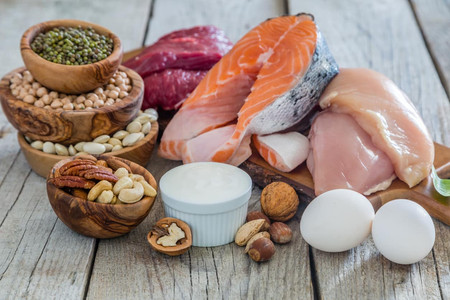
Proteins
Protein is an important macronutrient for building and maintaining muscle. Proteins form enzymes that help control chemical processes that keep the body’s organs functioning. Therefore, the body must get the right amount of protein intake every day. However, there are still many people who forget the benefits of consuming protein. Many people also don’t know how much protein is right for the body. In fact, a lack or excess of protein can both have negative effects on the body.
Daily protein requirements based on age and gender
All body tissues, including bones, muscles, skin, and hair, contain protein. Therefore, it is not surprising that 20 percent of the human body contains protein. The amount of daily protein each person needs varies based on age, gender, height, and weight in addition to a number of other factors.
The following are guidelines for daily protein amounts based on age and gender.
- Babies and Children
Babies aged 0-5 months can get all the protein they need just by breastfeeding. Therefore, it is very important for mothers who are breastfeeding to consume foods high in protein.
After six months, babies can receive additional food containing protein (ASI Complementary Food). Daily protein requirements for children and babies are as follows.
- Age 0-5 months: 6 grams.
- Age 6-11 months: 15 grams.
- Age 1-3 years: 20 grams.
- Age 4-6 years: 25 grams.
- Age 7-9 years: 40 grams.
- Man
Men need protein to help their body tissues grow and be healthy. When men gain muscle mass, they will consume more protein.
Meanwhile, based on age, men need the following amounts of protein every day.
- 10–12 years: 50 grams.
- 13–15 years: 70 grams.
- 16–18 years: 75 grams.
- 19–29 years: 65 grams.
- 30–49 years: 65 grams.
- 50–64 years: 65 grams.
- 65–80 years: 64 grams.
- 80 years and over: 64 grams.
- Woman
Girls will need more protein as they approach puberty than boys. However, as women get older, protein consumption tends to decrease.
Women should know the following daily protein requirements.
- 10–12 years: 55 grams.
- 13–15 years: 65 grams.
- 16–18 years: 65 grams.
- 19–29 years: 60 grams.
- 30–49 years: 60 grams.
- 50–64 years: 60 grams.
- 65–80 years: 58 grams.
- 80 years and over: 58 grams.
- Pregnant and breastfeeding mothers
To encourage fetal growth, pregnant women need to increase their food intake. This intake requirement will continue to increase, as in the following details: 1st trimester (1 gram more than daily nutrition), 2nd trimester (+10 grams), 3rd trimester (+30 grams). Meanwhile, breastfeeding mothers must add protein to breast milk to meet the baby’s needs. Protein requirements for breastfeeding mothers are listed below.
-
- First 6 months: +20 grams of daily requirement.
- Second 6 months: +15 grams.
Almost every type of food contains protein. Apart from protein, you may also get other benefits besides protein from eating foods high in protein. However, you have to pay attention to several things to ensure maximum protein intake. For example, to limit saturated fat, you can eat lean cuts of meat instead of fattier ones. Apart from that, it is also important to reduce sodium, avoid processed meat such as hot dogs and sausages.
If you want to get more omega-3s, you can choose salmon, tuna, or eggs fortified with omega-3s. If you need to get more fiber, you can eat nuts, vegetables and legumes. To help lower your chances of developing heart disease, you should limit the amount of red meat, especially processed red meat, and eat more fish, poultry and nuts. Most nutrition experts agree that the way to live a healthy life is to choose the best food sources of protein correctly.