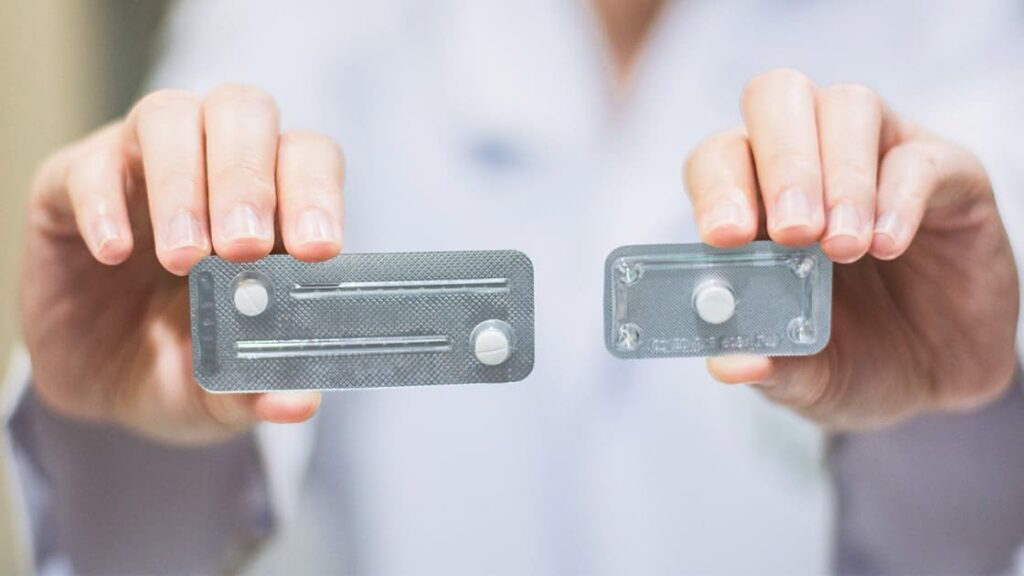

Emergency Contraception
What is meant by emergency contraception is contraception that can prevent pregnancy if used immediately after sexual intercourse. This is often called post-coital contraception or morning after pill or morning after treatment. The term secondary contraception or emergency contraception originates from the idea that the drug must be used immediately after sexual intercourse or must wait until the next day, and if it doesn’t, it means it’s too late so there’s nothing more you can do. The term emergency contraception also emphasizes that this method of birth control is better than nothing at all. However, it is still less effective than existing birth control methods. Emergency contraception should not be used as a family planning method routinely or continuously.
Emergency Contraception Supports Family Planning Programs
Every married woman will certainly face pregnancy. However, that doesn’t mean it is absolute, women can also choose to postpone or immediately have children. Women who decide that they do not want to get pregnant immediately can use preventive methods with contraception. Contraception is a solution to achieve the desired number of children.
The use of contraceptives, such as condoms, birth control pills or birth control implants can be relied on to prevent pregnancy. However, if the mother has unprotected sexual intercourse or when the contraceptive device does not function properly, for example the condom slips or leaks, takes birth control pills late after the recommended time limit, and forgets to install the birth control implant regularly and correctly, then a device is needed. emergency contraception to prevent pregnancy.
Benefits of Emergency Contraception
Apart from the failure of contraceptive methods to function, women who are rape victims are the ones who need emergency contraception. Similar to the function of conventional contraceptive devices or methods, emergency contraception refers to efforts to prevent pregnancy carried out in the first five days or 120 hours after sexual intercourse. However, remember, the use of emergency contraception is only effective in the first few days after sexual intercourse (preferably before 24 hours), if the egg has not been released from the ovary and the sperm has not fertilized the egg.
There are several medicines recommended by WHO as emergency contraception, one of which is levonorgestrel.
- Emergency contraception: levonorgestrel.
Levonorgestrel comes in ready-to-drink tablet form. There are two types of levonorgestrel preparations, namely 1 tablet preparation and 2 tablet preparations. If the mother buys one tablet, it is recommended to take it less than 72 hours or three days after sexual intercourse. If the mother buys a two-tablet preparation, then the first tablet must be taken immediately within the first 72 hours after sexual activity and the second tablet must be taken 12 hours after taking the first tablet.
Follow the instructions on the contraceptive packaging label carefully. Consult a doctor if the information you get is unclear. If symptoms of vomiting occur less than two hours after taking levonorgestrel, contact your doctor or midwife immediately. It is possible that the mother will need an additional dose. After taking levonorgestrel, menstrual periods may come one week earlier or one week later than usual. However, if your period does not appear after one week, immediately contact your doctor to determine whether you are pregnant or not.
Please note that emergency contraception is only used for emergencies, not as abortion pills. If pregnancy has occurred, emergency contraception can strengthen the fetus in the womb. For this reason, the use of regular birth control such as pills, IUD or spiral birth control, implants, or condoms is still recommended. Always have emergency contraception ready to prevent unplanned pregnancy.