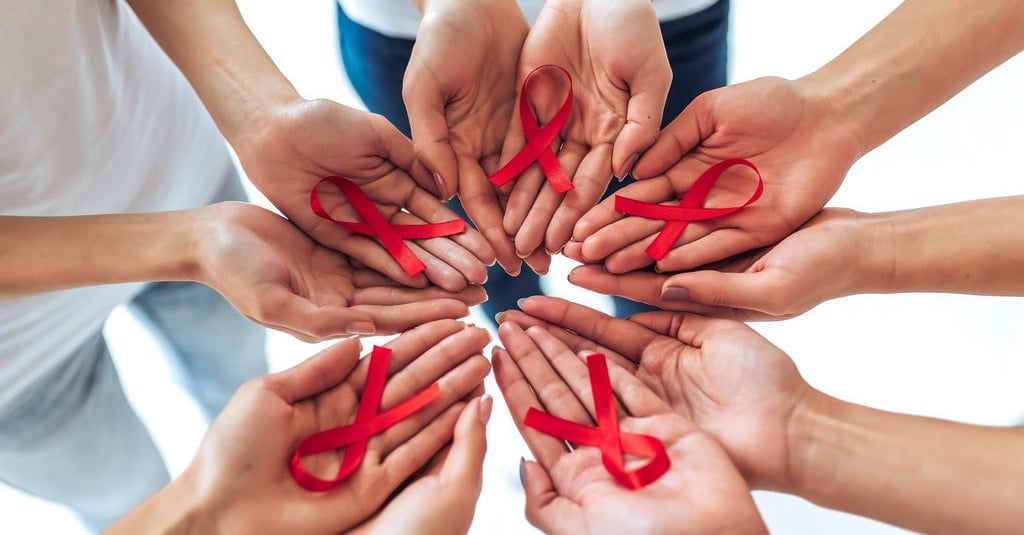

Understanding HIV and AIDS
HIV (human immunodeficiency virus) is a virus that damages the immune system by infecting and destroying CD4 cells (CD4 cells are a type of white blood cell or lymphocyte which is an important part of the immune system called T-cells). If more and more CD4 cells are destroyed, the body’s immune system will become increasingly weak, making it vulnerable to various diseases. Even though a cure or method for treating HIV has not yet been found, by undergoing certain treatment, HIV sufferers can slow the progression of this disease, so that HIV sufferers can live a normal life. Treatment is in the form of antiretroviral therapy (ARV), ARV works to prevent the HIV virus from multiplying so that it does not attack the body’s immune system.
If HIV is not treated immediately, it will develop into a serious condition called AIDS (acquired immunodeficiency syndrome). AIDS is the final stage of HIV infection. At this stage, the body’s ability to fight infection is completely lost. HIV transmission occurs through contact with the patient’s body fluids, such as blood, sperm, vaginal fluids, anal fluids, and breast milk. Please note, HIV is not transmitted through air, water, sweat, tears, saliva, mosquito bites, or physical touch. HIV is a lifelong disease. In other words, the HIV virus will remain in the sufferer’s body for the rest of his life.
In general, the following are several factors that can increase the risk of HIV transmission, namely:
- Having sexual relations with multiple partners and without using protection.
- Using a syringe together.
- Carrying out work that involves contact with human body fluids without using adequate personal safety equipment.
HIV and AIDS in Pregnant Women
Talking about HIV and AIDS to pregnant women is not a small issue that can be ignored. The reason is, pregnant women who are positive for HIV infection have a high chance of infecting their babies while they are still in the womb. So what causes HIV transmission to pregnant women and what are the risks for the future baby? Let’s look at the explanation below together!
Causes of HIV and AIDS in Pregnant Women
HIV is an infectious disease caused by the human immunodeficiency virus. This virus attacks T cells (CD4 cells) in the immune system whose main job is to fight infection. The virus that causes HIV spreads from one person to another through the exchange of body fluids such as blood, semen (sperm), pre-ejaculatory fluid and vaginal fluids, which in fact is very common during sexual intercourse. Based on the 2017 Ministry of Health report, there was an increase in the number of new HIV cases among housewives. As quoted from The Jakarta Post, Emi Yuliana from the AIDS Prevention Commission in Surabaya said that the number of housewives suffering from HIV/AIDS is greater than that of female commercial sex workers.
This large figure is likely influenced by the regularity of sexual relations with husbands who are HIV positive (whether diagnosed and known, or not). Penile penetration into the vagina without a condom is the most common route of HIV transmission among heterosexual couples (men who have sex with women). After entering the body, the virus can remain actively infecting but not show significant symptoms of HIV/AIDS for at least 10-15 years. During this period, a housewife may never know that she is infected with HIV until she ends up being positively pregnant. Apart from sexual relations, a woman can also become infected with HIV from using non-sterile injection needles before pregnancy.
Adverse Impact of HIV Infection on Pregnant Women and Babies
A weak or damaged immune system due to chronic HIV infection can make pregnant women very vulnerable to opportunistic infections, such as pneumonia, toxoplasmosis, tuberculosis (TB), venereal diseases, and cancer. This collection of diseases indicates that HIV has developed into AIDS (Acquired Immune Deficiency Syndrome). HIV sufferers who already have AIDS can usually survive for about 3 years if they do not receive treatment. Without proper medical treatment, each of these infections also has the risk of causing its own complications on body health and pregnancy. Take toxoplasmosis for example. The parasite that causes this disease can infect the baby through the placenta, causing miscarriage, stillbirth and other bad effects for the mother and baby.
The dangers of HIV to pregnant women and their babies are not the only ones. Pregnant women diagnosed as HIV positive can also transmit the infection to their unborn babies via the placenta. Without treatment, an HIV-positive pregnant woman has an estimated 25-30% risk of transmitting the virus to her child during pregnancy. Transmission of HIV from pregnant women to their children can also occur during the normal birth process, if the baby is exposed to blood, ruptured amniotic fluid, vaginal fluids, or other maternal body fluids. Apart from that, transmission of HIV from mother to baby can also occur during the exclusive breastfeeding period because HIV can be transmitted through breast milk. HIV from the mother can also be transmitted to the baby through food that the mother chews first, although the risk is very low.
HIV Testing in Pregnant Women
If the mother has HIV while pregnant or has had it before pregnancy, consult a doctor. The doctor will advise the mother to immediately undergo an HIV test immediately at the first scheduled obstetric check-up if possible. Doctors will also recommend further HIV testing in the third trimester of pregnancy and after the baby is born. The most common HIV test for pregnant women is the HIV antibody test. The HIV antibody test aims to look for HIV antibodies in blood samples. HIV antibodies are a type of protein produced by the body in response to a viral infection.
HIV in pregnant women can only be truly confirmed when they get a positive result from the HIV antibody test. The second test, in the form of an HIV confirmation test, is carried out to ensure that the person is truly infected with HIV. If the second test is also positive, it means the mother was positive for HIV infection during pregnancy. HIV testing of pregnant women can also identify the presence of other sexually transmitted diseases, such as hepatitis C and syphilis. Apart from that, the husband must also undergo an HIV test.
HIV Treatment in Pregnant Women
A mother who finds out she is infected with HIV early in her pregnancy has more time to start planning treatment to protect the health of herself, her partner, and her baby. HIV treatment is generally carried out through antiretroviral drug therapy (ART). This combination of drugs can control or even reduce the amount of HIV viral load in the blood of pregnant women. Over time, regular HIV treatment can increase the body’s resistance to fighting infection. Adherence to ART therapy also allows pregnant women to prevent transmission of HIV infection to their babies and partners. It has been reported that several anti-HIV drugs can be transferred from pregnant women to unborn babies through the placenta. Anti-HIV drugs in the baby’s body help protect him from HIV infection.
Prevention of HIV Transmission from Pregnant Women to Babies
Fortunately, pregnant women can reduce the risk of transmission to their babies by implementing appropriate HIV prevention steps. With proper treatment and planning, the risk of HIV transmission from pregnant women to babies can be reduced by as much as 2 percent throughout pregnancy, labor, delivery and breastfeeding.
If the results of the mother’s HIV test are positive, there are several things that can be done to reduce the risk of transmitting HIV to the baby, namely as follows:
- Take medication regularly and correctly.
If the mother is diagnosed with HIV during pregnancy, it is recommended to start treatment immediately and continue it daily. HIV treatment in pregnant women needs to be carried out as soon as possible after the pregnant woman is diagnosed with HIV. However, antiretroviral medicine are not only used during pregnancy. To treat HIV symptoms as well as the emergence of HIV complications, HIV treatment in pregnant women needs to be carried out for life. Treatment is also not only aimed at pregnant women. After birth, the baby will also be given HIV medication for 4 to 6 weeks to reduce the risk of infection from HIV which may enter the baby’s body during the birth process. - Protects the baby during labor.
If the mother has started taking regular treatment long before pregnancy, there is a possibility that the viral load will no longer be detectable in the blood. This means that mothers can plan for a normal vaginal birth because the risk of transmitting HIV to the baby during labor will be very small. However, if the doctor sees that the mother is still at risk of transmitting the virus to the baby, the mother will be advised to give birth via caesarean section. This procedure has a smaller risk of transmitting HIV to the baby compared to normal vaginal delivery. - Protecting the baby during breastfeeding.
Breast milk contains the HIV virus. In general, doctors will advise mothers to breastfeed their babies with formula milk. However, if the mother wants to breastfeed exclusively, the mother must always remember to continue using medication regularly for at least 6 months.