
1. What Is DHF?
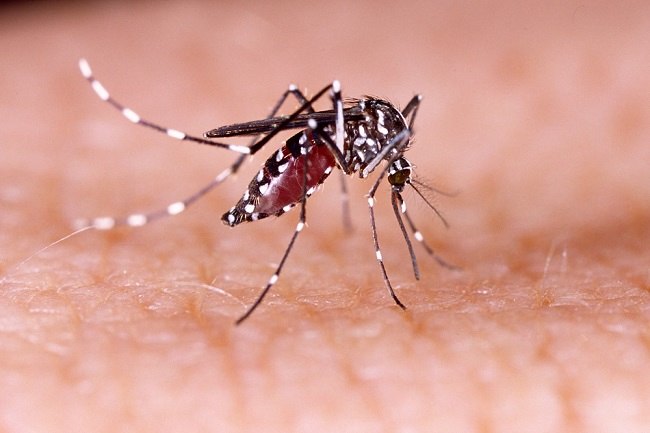
Dengue Hemorrhagic Fever (DHF) is an infectious disease caused by the dengue virus, transmitted through the bite of Aedes aegypti and Aedes albopictus mosquitoes. This disease commonly occurs in tropical and subtropical regions, including Indonesia, especially during the rainy season.
The dengue virus belongs to the Flavivirus group and consists of four serotypes:
- DEN-1
- DEN-2
- DEN-3
- DEN-4
A person infected with one serotype can still be infected by another serotype later in life, which may cause more severe symptoms.
2. Causes and Transmission
DHF spreads when an Aedes aegypti mosquito bites a person infected with the dengue virus, then transmits the virus to others through subsequent bites.
Characteristics of the Aedes aegypti mosquito:
- Black body with distinctive white markings on the legs.
- Active during the morning and late afternoon.
- Breeds in clean, stagnant water, such as in water containers, flower pots, and discarded cans.
3. Symptoms of DHF
Symptoms of dengue usually appear 4–10 days after being bitten by an infected mosquito. The severity can range from mild to life-threatening.
a. Mild Symptoms
-
- Sudden high fever (up to 40°C).
- Severe headache.
- Muscle, bone, and joint pain (“breakbone fever”).
- Nausea and vomiting.
- Skin rash or red spots.
b. Severe Symptoms (Advanced DHF)
-
- Bleeding under the skin, from gums or nose.
- Severe abdominal pain.
- Persistent vomiting.
- Restlessness, weakness, and paleness.
- Signs of shock: cold hands and feet, low blood pressure, weak pulse.
Without proper treatment, severe DHF can lead to serious complications or death.
4. Stages of DHF
DHF typically progresses through three main stages:
- Febrile Phase (Day 1–3): High fever, headache, muscle pain, flushed face.
- Critical Phase (Day 3–7): Fever drops but warning signs may appear—such as bleeding or shock.
- Recovery Phase (Day 7–10): The patient’s condition improves, appetite returns, and fluid balance stabilizes.
5. Diagnosis and Tests
To confirm DHF, doctors perform several medical tests, such as:
- Complete blood count (Hb, hematocrit, platelets) — to detect platelet decrease.
- NS1 antigen test — for early detection of dengue virus.
- IgM and IgG antibody tests — to determine the infection stage.
Early diagnosis is crucial for prompt and effective treatment.
6. Treatment of DHF
Currently, there is no specific antiviral drug for dengue, so treatment focuses on relieving symptoms and preventing complications, including:
- Complete bed rest.
- Adequate fluid intake (water, oral rehydration solution, or fruit juice).
- Fever-reducing medication such as paracetamol (avoid aspirin or ibuprofen).
- Regular monitoring of platelet and hematocrit levels.
- Hospitalization if severe symptoms or drastic platelet drops occur.
7. Prevention and Control of DHF
Preventing dengue involves breaking the mosquito breeding cycle and avoiding mosquito bites. Here are the key measures:
a. 3M Plus Strategy
-
- Drain water containers regularly (at least once a week).
- Cover water storage containers tightly.
- Bury or dispose of used items that can collect rainwater.
Plus:
-
-
- Keep fish that eat mosquito larvae.
- Add larvicide to water containers.
- Use mosquito nets or repellents.
- Plant mosquito-repelling herbs (e.g., lavender, lemongrass).
-
b. Fogging (Insecticide Spraying)
Fogging is carried out by health authorities to kill adult mosquitoes in outbreak areas. However, fogging does not kill larvae, so it must be combined with the 3M Plus method.
c. Dengue Vaccine
In some countries, including Indonesia, a dengue vaccine is available to help prevent infection. The vaccine is administered based on previous infection history and under medical recommendation.
8. Conclusion
Dengue Hemorrhagic Fever (DHF) is a serious but preventable disease. Maintaining a clean environment, practicing the 3M Plus method, and raising community awareness are key to prevention.
Early detection and immediate treatment are vital to prevent severe complications and save lives.