There are many types of mushrooms and each has different benefits. For example, the white button mushroom can be a good source of vitamin D for the body. Mushrooms are organisms that belong to the Fungi kingdom. They do not have chlorophyll and cannot photosynthesize like plants. Mushrooms generally grow in damp and dark places, such as forests, soil, or even on rotting objects.
Well, this organism is often processed into food because of its delicious taste. However, not only delicious, mushrooms also have a number of health benefits.
Nutritional Content of Mushrooms
Actually, each mushroom contains different macronutrients so the benefits can also be different. However, in 79 grams of mushrooms in general contains the following nutrients:
- Calories: 15 grams.
- Fat: 0.2 grams.
- Sodium: 3.5 grams.
- Carbohydrates: 2.3 grams.
- Fiber: 0.7 grams.
- Sugar: 1.4 grams.
- Protein: 2.2 grams.
In addition, mushrooms also contain macronutrients such as:
- Selenium
Helps the body make antioxidant enzymes to prevent cell damage. Types of mushrooms that contain selenium are cremini or portabella.
- Vitamin D
Helps cell growth, boosts immune function and reduces inflammation. Maitake is in the group of mushrooms that are high in vitamin D.
- Vitamin B6
Helps the body form red blood cells, proteins, and DNA. Shiitake is a great choice for vitamin B6.
Some Types of Mushrooms That Are Healthy to Eat
There are several types of mushrooms that can be consumed and can provide a number of health benefits, including:
- Shiitake Mushrooms
Shiitake grows naturally in Asian countries. If you are looking for a meat substitute, start with shiitake. In addition to its texture being quite a substitute, its amino acid content is almost equivalent to red meat.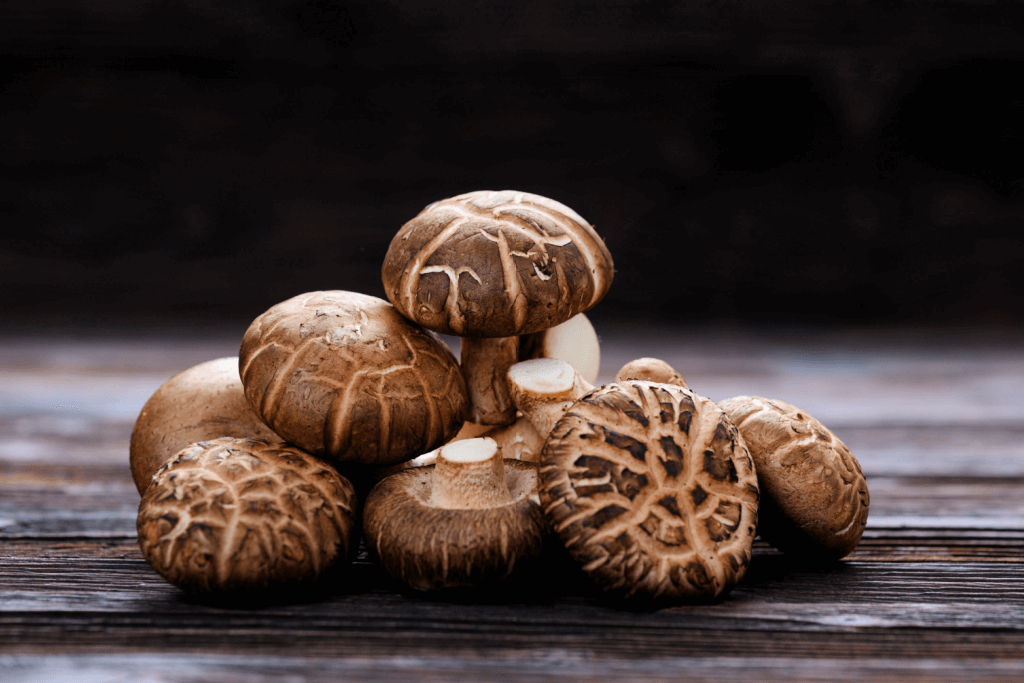
- White button mushroom

White button mushrooms are a type that is easily found in traditional or modern markets. White button mushrooms help fight tumor growth. White button mushrooms exposed to UV light are also an excellent source of vitamin D. - Oyster mushroom
Not only delicious and textured like meat, oyster mushrooms also have a million benefits. Its size is quite large with a layered texture that makes it have a sensation like eating meat.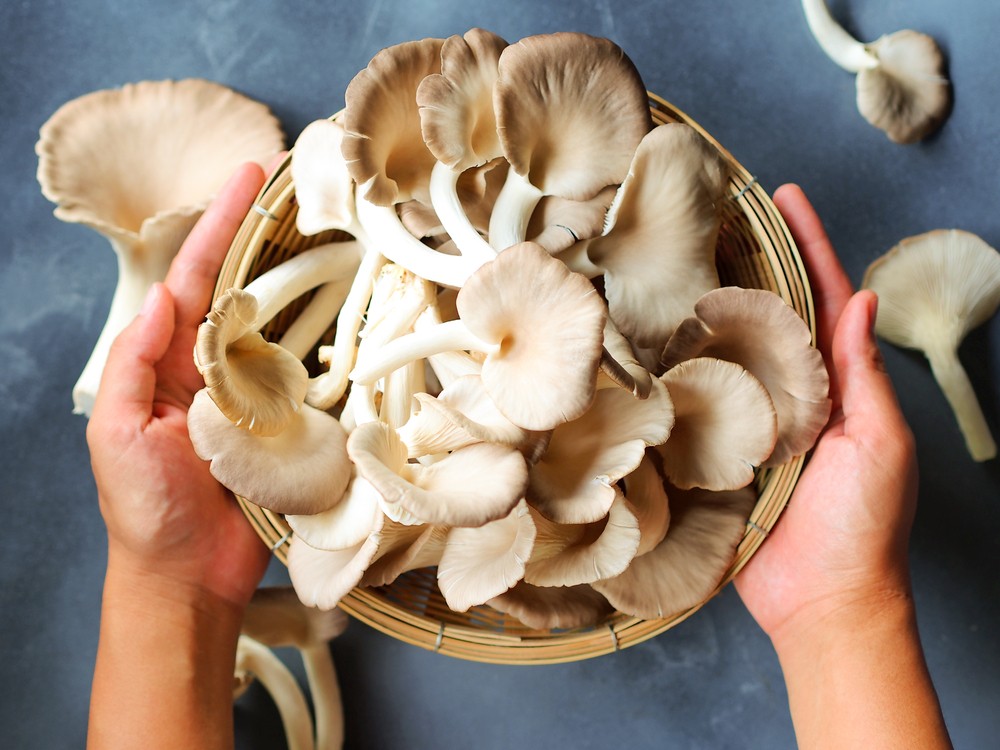
- Portobello Mushroom
Portobello is actually the same species as the white button mushroom. It’s just a different variety. Its color is not white but brown. In addition, portobello is also large in size with a slightly slippery but tasty texture. Portobello is a type of mushroom that contains high potassium.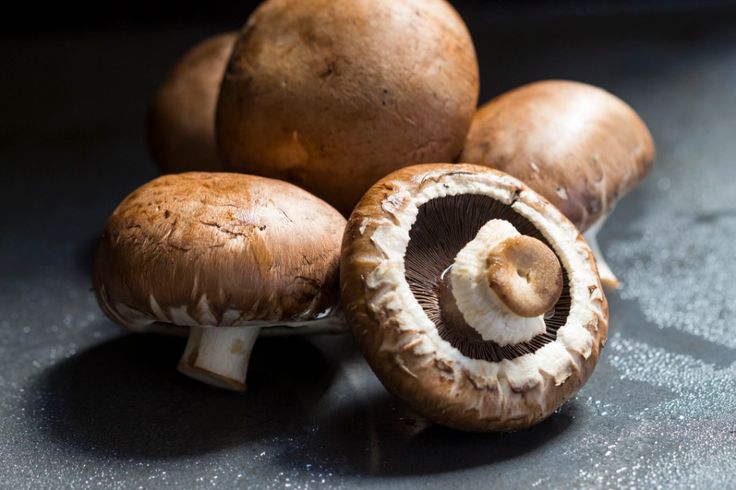
- Porcini Mushroom
Porcini is a little harder to find, as it cannot be commercially cultivated. However, porcini also contains super high levels of ergothioneine, which has cytotoxic properties. In other words, consuming this variety can boost the immune system.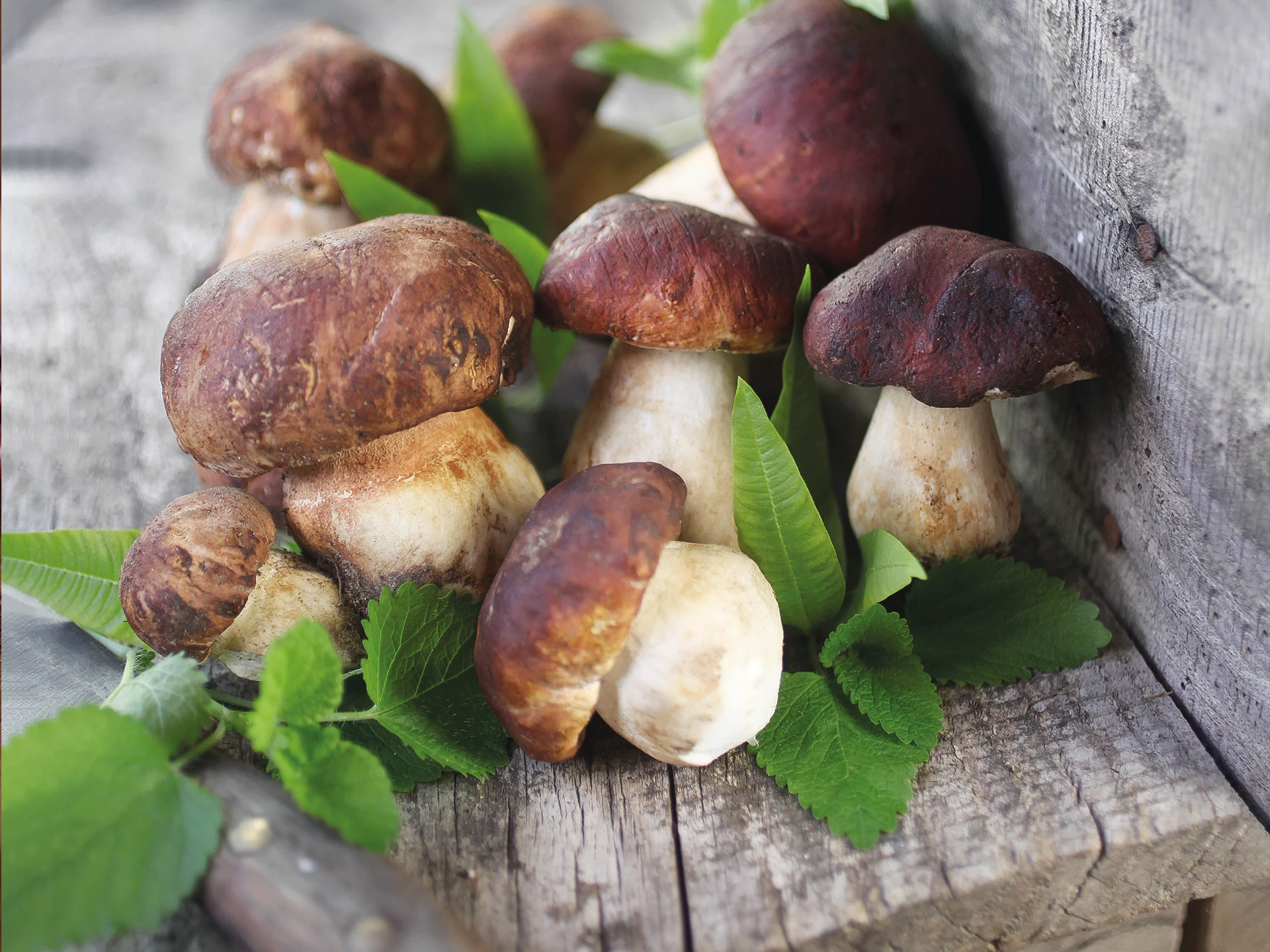
- Chanterelle Mushroom
If you want to get more B vitamins, chanterelles are a great source of them. They are a type of mushroom that is a reliable source of vitamins B 1, 2, 3, and 5.
- Enoki Mushroom
Enoki is the first type of fungus to be studied for cancer. Like many others, enoki is a potential immunomodulator. This means it provides benefits in terms of lowering cholesterol levels, hypertension, and blood pressure.
- Ear fungus
This type of mushroom is quite unique, its texture is different from other mushrooms, chewy and crispier. The color is black or brownish black. Some of the benefits of consuming this mushroom are overcoming hypertension, reducing the risk of blood clots, facilitating bowel movements, and treating hemorrhoids.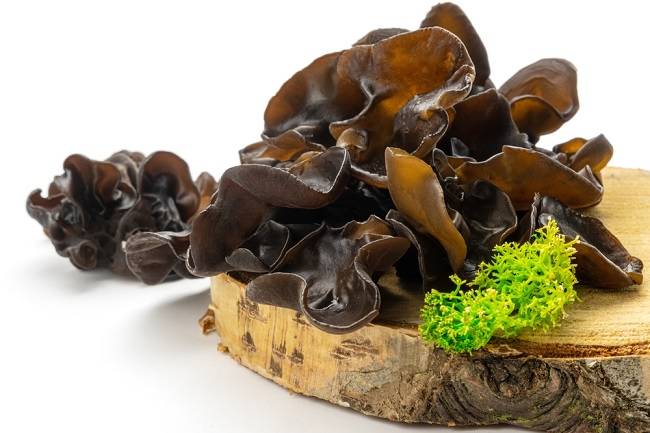
- Straw Mushroom
This type of mushroom grows mostly in the lowlands. Straw mushrooms have a higher protein content than mushrooms in general. In addition to protein, this type of mushroom is also rich in riboflavin, thiamine, calcium, and phosphorus.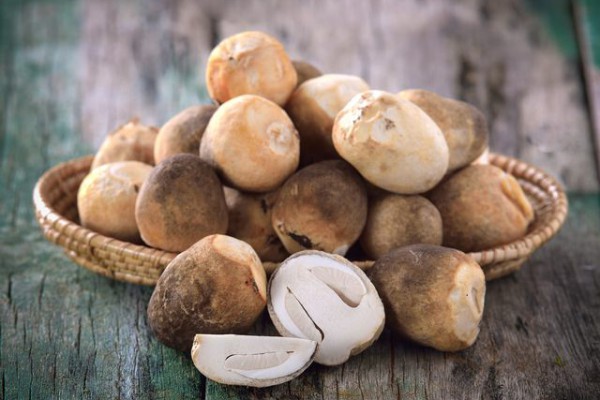
- Shimeji Mushrooms
Shimeji is a type of mushroom that originates from Japan. It has a hard texture and a slightly bitter taste. This mushroom contains glutamic acid which gives a savory taste like a natural flavoring.
- Matsutake Mushroom
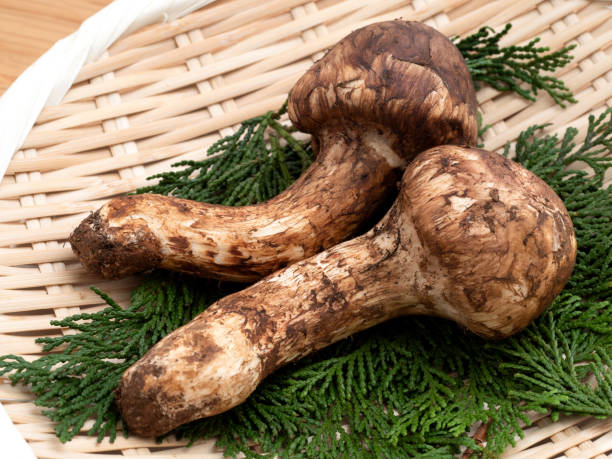 Matsutake is one of the most expensive types of mushrooms in the world. Its price can reach IDR 29.6 million per kilogram. Its taste is also different from other mushrooms. Matsutake has a spicy, fruity taste, and some even have a sweet clove taste.
Benefits of Mushrooms for Body Health
Those were the types and nutritional content of eukaryotic organisms that are often used by vegans as a substitute for meat. This food product does have many benefits for body health.
There are several benefits to consuming this healthy food, including:
- Lowering the risk of cancer
This food is a high source of ergothioneine. Its amino acid and antioxidant content can also work to prevent or slow down cell damage. Some varieties such as shiitake, oysters, maitake, and king oysters have higher amounts of ergothioneine. Including it in your daily diet will play a role in lowering the risk of cancer. However, further studies are still needed regarding the efficacy of this food with cancer. - Lower sodium intake
Excess sodium can cause the body to retain fluids, which can increase blood pressure. To reduce sodium intake, you can add mushrooms to your diet. Mushrooms are naturally low in sodium while providing a savory flavor. This can reduce the need for additional salt. Ultimately, blood pressure remains stable. - Protecting brain health
Not only that, this favorite Japanese food can also improve brain health. The great nutritional content of mushrooms can reduce nerve inflammation, increase nerve growth factors and neuron repair. Well, this food can also reduce oxidative stress, improve cognition, memory, and overall brain health. - Maintaining bone health
Vitamin D helps the body absorb calcium to maintain and build strong bones. Many people rely on supplements or sunlight to get their vitamin D. However, mushrooms are another source. Like humans, certain varieties of fungi can increase their vitamin D levels when exposed to UV light or sunlight. White buttons, portabellas, and creminis provide the most vitamin D after exposure to UV light or sunlight. - Creating a healthier gut
The gut microbiome is home to organisms and bacteria that play a major role in health and mood. Did you know that one way to maintain gut health is by stimulating the growth of healthy bacteria (probiotics) in the gut. The use of prebiotics (probiotic foods), such as mushrooms, can support the presence of healthy bacteria in the digestive tract. This is because the polysaccharides in these living things contain abundant carbohydrates, thus stimulating the growth of healthy bacteria. Many foods are broken down by stomach acid, and the polysaccharides in mushrooms successfully pass through the stomach. - Supports a healthy immune system
Mushrooms contain macronutrients that support a healthy immune system. A strong immune system can keep you away from diseases, prevent you from getting sick easily, and have better endurance. According to a study by a team of researchers from the University of Florida, published in the Journal of the American College of Nutrition, regular consumption of shiitake mushrooms can boost immunity.In a 2011 study on shiitake consumption in a group of people, the results showed that gamma delta T cells in people who consumed shiitake functioned better. Gamma delta T cells are one of the lymphocytes that play a role in fighting infections. Based on these findings, of course mushroom consumption is good for the elderly who suffer from chronic diseases such as diabetes or hypertension.
- Good for skin health and digestive system
Vitamin B contained in mushrooms can protect the skin and maintain digestive health. Because, vitamin B3 or niacin can work to control oil levels and support the regeneration of body cells. Related to the digestive tract, this vitamin helps break down fats and carbohydrates so that it can avoid constipation. - Red blood cell production
Copper in mushrooms also plays a role in producing red blood cells. A lack of red blood cells can cause anemia. Here the role of copper works together with iron to form red blood cells. - Alternative sources of fiber
In 79 grams of mushrooms contain 0.7 grams of fiber. This is a sufficient amount to increase daily fiber intake. There are many benefits of fiber in the body. Not only to facilitate digestion, mushroom intake can also be a source of energy, provide a longer satiety effect, and maximize the absorption of nutrients from food. - Healthy skin
Mushrooms contain vitamins and minerals that are essential for healthy skin. The antioxidant compounds in mushrooms help fight free radicals that can damage the skin and cause premature aging. - Increase energy and fitness
Mushrooms contain vitamin B complex which is essential for energy production and body metabolism. Consuming these helps increase energy, reduce fatigue, and improve overall fitness. - Lowering the risk of heart disease
Regular consumption of mushrooms can help lower the risk of heart disease. This food contains compounds such as beta-glucan and ergosterol which can reduce bad cholesterol (LDL) and increase good cholesterol (HDL), thus maintaining heart health.
Those are some types and benefits of mushrooms for body health. Don’t forget to always take care of your health and your parents’ by consuming healthy foods, okay?
If you have parents who suffer from chronic diseases such as diabetes or high blood pressure, there is nothing wrong with including mushrooms as a daily food ingredient. Moreover, mushrooms contain quite high vegetable protein and can strengthen the immune system. In addition to consuming mushrooms, also complete your and your family’s healthy lifestyle with quality health products.