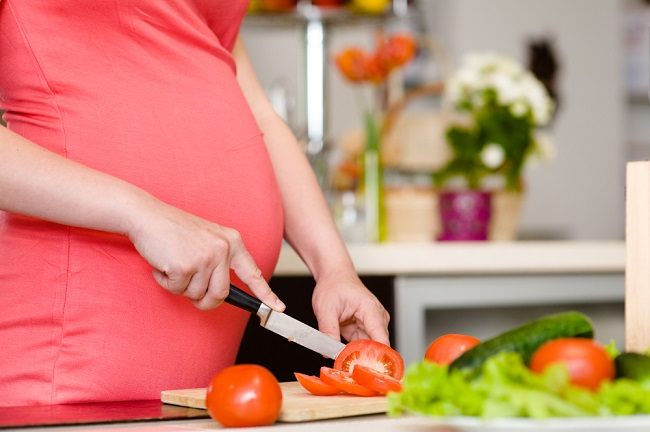

There are many benefits of tomatoes for pregnant women. This fruit, which is often mistaken for a vegetable, has various nutrients that are good for pregnant women to consume to maintain their health and the health of the fetus in the womb. When pregnant, you are required to be selective in choosing food, because whatever you consume will affect the health of your body and fetus. Well, one of the nutritious foods that is good to consume during pregnancy is tomatoes.
The various nutritional content in tomatoes includes carbohydrates, water, protein, fiber, sugar, calcium, zinc, potassium, magnesium, folate, and various vitamins, such as vitamin K, vitamin A, vitamin C, and vitamin B. Tomatoes are also rich in antioxidants, one of which is lycopene.
Various Benefits of Tomatoes for Pregnant Women
Tomatoes can be consumed raw as a salad or salad dressing, but can also be cooked or processed into fresh tomato juice. Here are some of the benefits of tomatoes for pregnant women that you need to know:
- Relieve leg cramps
Tomatoes contain potassium which can relieve leg and muscle cramps in pregnant women. In one tomato there are about 250-400 milligrams of potassium. In addition, potassium also plays an important role in maintaining fluid and electrolyte balance in the body. Pregnant women are advised to consume about 4,500 to 4,700 milligrams of potassium per day.
- Smooth digestion
100 grams of tomatoes contain around 1.2–1.5 grams of fiber. Pregnant women are advised to consume 25–30 grams of fiber per day to help smooth digestion and prevent constipation. In addition to tomatoes, fiber can also be obtained from fruit, vegetables, and nuts or grains. - Counteracting the effects of free radicals
Tomatoes contain lycopene which helps protect the skin from sun damage. However, pregnant women are still advised to use sunscreen every day to protect their skin from sun damage. The lycopene content in tomatoes also acts as an antioxidant to counteract free radicals, fight infections, and protect body cells from damage. Several studies also state that high levels of lycopene and antioxidants in tomatoes can prevent disorders during pregnancy, such as preeclampsia, high blood pressure, and gestational diabetes. - Increase the immunity of pregnant women
In 1 medium-sized tomato, there are about 10-15 milligrams of vitamin C. This vitamin is important for pregnant women to increase immunity, help absorb iron, and maintain strong bones and teeth. Not only that, vitamin C also plays a role in the formation of fetal organs in the womb, including bones, muscles, teeth, and skin. The amount of vitamin C that needs to be consumed by pregnant women is about 80-85 milligrams per day. - Supporting the health of the mother’s and fetus’ eyes
Tomatoes are one of the main sources of vitamin A. In 1 tomato, there are around 40-50 micrograms of vitamin A. This vitamin plays an important role in maintaining the health of the mother’s eyes, as well as supporting the development of the fetus’ organs in the womb, especially both eyes. Not only that, tomatoes also help the development of the fetus’ heart, brain, lungs, and bones, and help smooth the mother’s blood circulation during pregnancy. To meet their nutritional needs, pregnant women are advised to consume around 800 micrograms of vitamin A every day. - Prevent dehydration
Tomatoes contain a lot of water. During pregnancy, a woman needs more fluids to avoid dehydration. By consuming enough fluids from mineral water, vegetables, and fruits, the body’s fluid requirements will be met.
By knowing the benefits of tomatoes for pregnant women, you can start adding this fruit to your daily menu. Choose tomatoes that are round, smooth-skinned, have an even color, and are fresh. It is recommended to limit the consumption of canned tomatoes, because canned tomato products may have been added with excess salt and preservatives.
In addition to consuming tomatoes, also fulfill your nutritional needs during pregnancy by consuming healthy and balanced nutritious foods. To determine what types of foods are good to consume during pregnancy, you can consult an obstetrician.