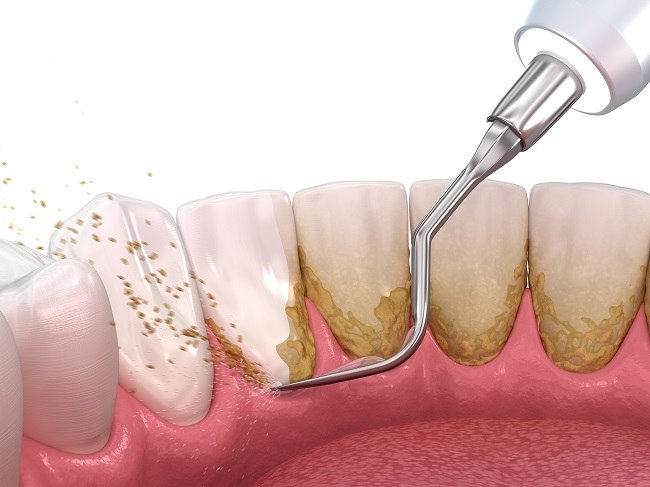

The process of cleaning tartar may be feared or avoided by some people. In fact, routinely cleaning tartar is not only good for maintaining dental and oral health, but also overall health. Tartar that is left and not immediately treated can cause inflammation of the gum tissue and interfere with dental health. In fact, this condition can also increase the risk of heart disease. To avoid these dangers, the process of cleaning tartar or scaling needs to be carried out by a dentist.
Dental Tartar Cleaning Process
Scaling teeth is a procedure performed to clean tartar that sticks to the teeth or the gap between the gums and teeth. Before performing the tartar cleaning procedure, the dentist will ask questions about the patient’s medical history, how the patient cares for their teeth, and the medications they are taking. This is done to prevent various risks that may occur during or after the tartar cleaning process.
After the Q&A is done, the dentist will perform the steps of cleaning the tartar. Here is the process of cleaning the tartar by the dentist:
- Oral cavity examination
As the initial step in the teeth cleaning process, the dentist will examine the overall condition of the patient’s teeth and mouth and identify the location of plaque and tartar with the help of a special small mirror.
- Local anesthesia
In patients with low pain tolerance, the doctor can give local anesthesia to eliminate discomfort or pain that may occur during the tartar cleaning process. Anesthesia is not always done and needed, but can be discussed with the doctor if the patient is worried about the pain that may occur.
- Scaling
The doctor will start cleaning the tartar using an electric scraper called an ultrasonic scaler. This tool uses ultrasonic waves that can produce vibrations to remove tartar. If necessary, the doctor will also clean the tartar down to the gums using a manual tool. During the tartar cleaning process, the patient may feel a little uncomfortable or sore due to the friction of the scraper on the teeth. However, this is normal and is generally only temporary. The length of time this stage is carried out varies, depending on the severity of the patient’s tartar.
- Brush your teeth using a special brush
After the oral cavity is free of tartar, the doctor will then brush the patient’s teeth using an electric toothbrush. This stage is done to remove the remaining tartar that was not removed by the scaler and to make the mouth feel fresher.
- Use of dental floss
In the next tartar cleaning process, the doctor may clean the remaining plaque stuck in the gaps between the teeth using dental floss. This stage is done to make the teeth completely clean and free from tartar residue or toothpaste stuck between the teeth.
- Rinsing
After the entire tartar cleaning process is complete, the doctor will ask the patient to rinse their mouth by gargling with a liquid containing fluoride. This stage is carried out as a closing treatment. If during the initial examination gum disease or severe tooth decay is found, the doctor may recommend further treatment in the form of root canal treatment and the administration of antibiotics and special mouthwash. However, if the problem with the teeth is relatively mild, the doctor may only advise to apply the correct way to brush your teeth.
The most effective tartar cleaning process requires special tools that can only be done by a dentist. This is because tartar has hardened and can no longer be cleaned by yourself with a toothbrush, dental floss, or regular mouthwash. Although the tartar cleaning process is not too painful, the patient may still experience discomfort, especially if there is too much tartar and it has not been cleaned for a long time. This will also make the tartar cleaning process take longer. Therefore, it is important for you to do regular tartar cleaning. In addition, do regular dental check-ups every 6 months to the doctor so that the health and cleanliness of your teeth and gums are maintained.