
Nails are normally clear or white. However, certain habits, such as smoking and using nail polish, can cause nails to turn yellow. Having yellow nails can certainly reduce your self-confidence. But not only that, yellow nails can also be a sign of a disease. So, don’t underestimate the change in nail color to yellow, here are some diseases that could be behind it.
Getting to Know Yellow Nails
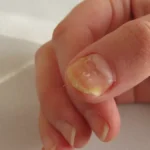
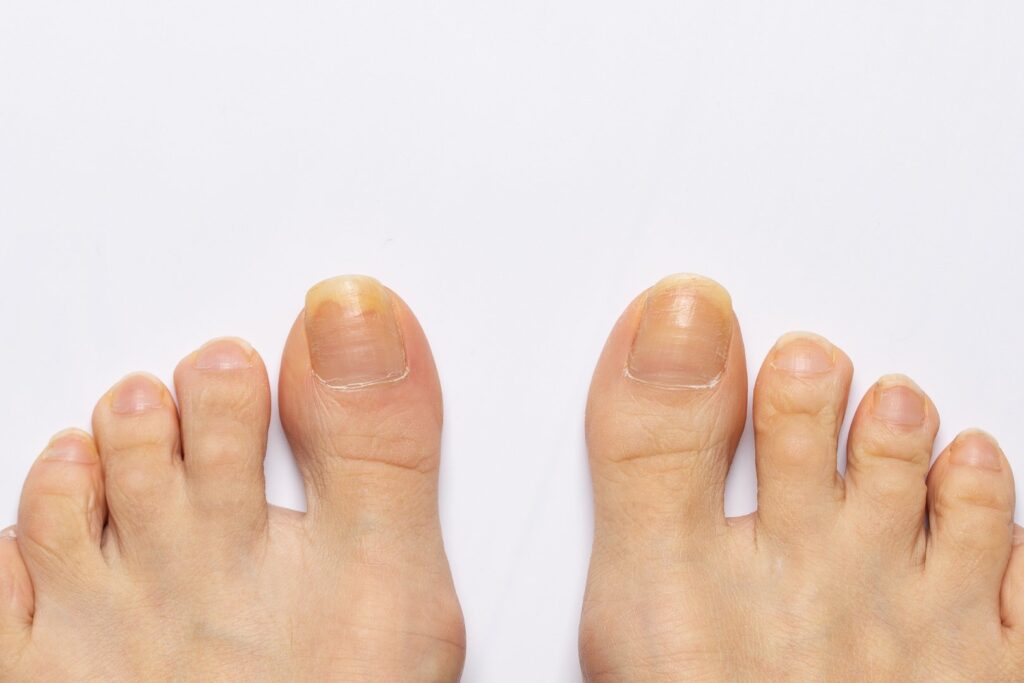
Yellow nails or often referred to as yellow nail syndrome is a rare condition that can occur in both fingernails and toenails. In addition to changes in nail color, several other symptoms usually also appear when someone suffers from this condition, including respiratory problems, problems with the lymphatic system, and swelling in the lower legs. Yellow nails can happen to anyone. Both men and women are at risk of developing yellow nail syndrome. However, this condition is most often experienced by the elderly, namely those over 50 years of age.
If you experience yellow nails accompanied by other symptoms, you should not ignore it. This is because this syndrome is related to lymphedema (swelling of the hands), pleural effusion (fluid buildup in the lungs), and chronic bronchitis to sinus infections.
Causes of Yellow Nails
The exact cause of yellow nail syndrome is still unknown to this day. However, from several reported cases, yellow nails occur due to hereditary or genetic factors. Triggers for yellow nails can also be caused by problems with the lymphatic system (lymph flow) and lymphedema syndrome. In addition, yellow nail syndrome can also develop on its own or as a result of certain conditions, such as cancer, immunodeficiency, and autoimmune diseases, such as rheumatoid arthritis.
Here are some other medical conditions that can cause yellow nails:
- Diabetes
People with diabetes can experience yellow nails. This is because their bodies are unable to produce enough insulin hormone, so that as a result, sugar intake cannot be broken down perfectly. That is why diabetes sufferers’ sugar levels are always high. This then also has an impact on collagen production. In fact, collagen is a type of protein needed to form nails. If collagen production is lacking, nails can easily break, become dry, and yellowish. - Psoriasis
Yellow nails can also be an indication of psoriasis, a chronic skin disorder that often appears and disappears. - Lung Disease
Although the exact reason is unknown, yellow nails are usually experienced by those who suffer from lung diseases, such as bronchiectasis and tuberculosis. - Liver Disease
Liver disease can cause someone to experience jaundice which causes everything from the skin, eyeballs, to nails to turn yellow. - Thyroid Disorders
Yellow nail syndrome can also occur due to thyroid disorders.
Symptoms of Yellow Nail Syndrome
Yellow nail syndrome is characterized by nails that gradually become yellow and thicken. However, there are also several other common symptoms, namely:
- Cuticles (part of the protective skin that covers the nail) come off.
- Nails curl.
- Nails fall off, causing the sufferer to lose nails.
- Nails grow very slowly or do not grow at all.
In people with lymphedema, yellow nails are accompanied by swelling of the face, hands, and feet or genitals. While in people with pleural effusion, they usually experience symptoms in the form of respiratory problems, such as chronic cough, shortness of breath, and chest pain, before the nails finally turn yellow.
How to Treat or Care for Yellow Nails
There is no specific treatment for yellow nail syndrome. Those of you who experience yellow nails accompanied by other symptoms are advised to see a doctor to find out the cause of yellow nails and get medical treatment as soon as possible. Usually, the change in nail color that occurs in people with yellow nail syndrome is permanent. However, there are also some people with yellow nails who have managed to restore the color and shape of their nails to their original state. Well, some ways that people with yellow nails can do to maintain the health and beauty of their nails are by using vitamin E ointment, taking vitamin E supplements, zinc supplements, and using anti-fungal drugs.