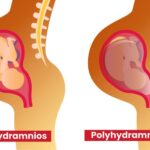
Understanding Polyhydramnios
Polyhydramnios is a condition when the amount of amniotic fluid during pregnancy is excessive. Although it generally does not cause serious problems, this condition requires regular monitoring from a doctor. Amniotic fluid is the fluid that surrounds the fetus. Its functions include protecting the fetus from pressure outside the uterus, providing space for bone growth, and maintaining a warm temperature for the fetus. Polyhydramnios is a condition that is rarely experienced by pregnant women. Usually, this condition occurs during the third trimester. However, polyhydramnios can also occur from the second trimester of pregnancy.
Causes of Polyhydramnios
Under normal conditions, the volume of amniotic fluid will increase slowly from the beginning of pregnancy until it reaches the maximum amount (around 800 ml–1 liter) at the 34th to 36th week. After that, the amniotic fluid will slowly decrease as the time of delivery approaches. The volume of amniotic fluid remains stable because the fetus swallows it and excretes it again as urine. Meanwhile, in polyhydramnios, the balance of amniotic fluid in the uterus is disturbed.
This disturbance in amniotic fluid balance can occur due to a number of factors, namely:
- Anemia in the fetus.
- Birth defects in the fetus that affect its ability to swallow amniotic fluid, for example abnormalities in the digestive tract or central nervous system of the fetus, and impaired fetal muscle control.
- Diabetes in the mother, both gestational diabetes and diabetes that existed before pregnancy.
- Infections in the fetus during pregnancy, such as toxoplasma or rubella.
- Accumulation of fluid in one part of the fetus’s body (hydrops fetalis).
- Problems with the placenta.
- Disturbances in the baby’s heartbeat.
- Twin to twin transfusion syndrome (TTTS) which causes one fetus to receive too much blood from the placenta so that the fluid excreted by the fetus through urine increases and increases the volume of amniotic fluid.
- Abnormal chromosomal or genetic conditions, such as Down syndrome, Edward syndrome, achondroplasia, and Beckwith Wiedemann syndrome.
- Blood incompatibility between mother and fetus.
Symptoms of Polyhydramnios
Polyhydramnios, which is mild and develops gradually, may not cause significant symptoms. However, in some cases, the volume of amniotic fluid can increase very quickly to more than 2 liters.
Meanwhile, severe polyhydramnios can cause the uterus to stretch excessively, thereby pressing on the surrounding organs. Complaints that usually arise include:
- Mother has gained more weight than expected.
- Difficulty breathing or breathing becomes short.
- Heartburn.
- Snoring.
- Digestive disorders, such as constipation.
- Tension or contractions in the uterus.
- Urination decreases.
- Swelling in the lower legs and genitals which can be accompanied by varicose veins.
- Difficulty feeling fetal movement.
- Stretch marks on the skin.
Consult an obstetrician if pregnant women experience complaints as mentioned above. Most of the symptoms above are commonly felt by pregnant women, especially in the third trimester or close to the time of delivery. However, in mothers with polyhydramnios, symptoms can be very disturbing or occur early. If a pregnant woman has been diagnosed as suffering from polyhydramnios and experiences new symptoms or worsening of previous symptoms, immediately consult a doctor. With early treatment, complications that can arise due to polyhydramnios can be prevented.
Seek immediate medical attention if:
- The membranes ruptured early.
- Bleeding from the vagina for more than 24 hours.
- Visual disturbances, such as blurred vision.
Polyhydramnios Diagnosis and Treatment
To diagnose polyhydramnios, the doctor will ask questions regarding the symptoms experienced and the medications the mother is using. After that, the doctor will perform a physical examination. Polyhydramnios can generally be detected through routine pregnancy checks, such as measuring the height of the uterus. The doctor will suspect polyhydramnios if the size of the uterus is larger than normal for gestational age. Polyhydramnios can also be suspected if the doctor has difficulty detecting the position or heartbeat of the fetus.
The supporting examination needed to confirm polyhydramnios is an ultrasound examination. Through pregnancy ultrasound, the doctor can find out the estimated amount of amniotic fluid. Apart from that, the severity of polyhydramnios can also be determined through the amniotic fluid index (AFI) value on ultrasound.
Here is the explanation:
- Mild polyhydramnios, if the AFI value is 24 cm–29.9 cm.
- Moderate polyhydramnios, if the AFI value is 30cm–34.9cm.
- Severe polyhydramnios, if the AFI value is more than 35cm.
Ultrasound can also be done to see the size of the fetus’ body, the condition of the fetus’ kidneys and urinary tract, as well as blood flow to the fetus’ kidneys and placenta. This examination can help the doctor find out the cause of polyhydramnios.
If the diagnosis of polyhydramnios has been confirmed, the doctor will carry out several further examinations to find out the cause of polyhydramnios and monitor the condition of the fetus. Here are some checks that can be done:
- Amniocentesis or a procedure for taking amniotic fluid containing fetal cells, to detect chromosomal abnormalities that can cause abnormalities in fetal organs and trigger polyhydramnios.
- Blood tests, to check for possible infections or diabetes which are known to cause polyhydramnios.
- Nonstress test, to check changes in fetal heart rate when the fetus moves.
- Biophysical profile test, to check breathing, muscle condition and fetal movement using ultrasound.
Mild polyhydramnios will generally heal by itself without special treatment. Patients will usually be advised to rest as much as possible and undergo more regular pregnancy control. If polyhydramnios occurs due to health problems in the fetus or mother, these disorders need to be treated first so that the polyhydramnios can improve. This can be done on an outpatient basis. Treatment that can be given to patients includes changing diet and administering medication if the patient is known to suffer from diabetes, as well as administering antibiotics to patients suffering from toxoplasmosis. Meanwhile, severe polyhydramnios that causes shortness of breath, abdominal pain, or premature labor, needs to be treated in hospital.
Handling steps include:
- Administration of indomethacin. Indomethacin can be used to reduce fetal urine production and amniotic fluid volume. However, this drug cannot be given after the 31st week of pregnancy because of the risk of causing heart problems. The fetal heart condition also needs to be monitored when given this drug. Apart from that, side effects in pregnant women after consuming indomethacin, such as nausea, vomiting and stomach ulcers, also need to be monitored.
- Amniocentesis. If necessary, the doctor can remove excess amniotic fluid through amniocentesis. However, this procedure carries the risk of causing complications, such as placental abruption, premature rupture of membranes, or premature labor.
- Laser ablation. Laser ablation can be performed to treat polyhydramnios caused by twin pregnancies with transfusion syndrome (TTTS). This procedure is used to partially close the placental blood vessels that drain excessive blood to one of the fetuses. After the patient is treated, the doctor will continue to monitor the amount of amniotic fluid every 1-3 weeks. Although polyhydramnios can cause worrying complaints, generally patients can still give birth to healthy children. In mild or moderate polyhydramnios, delivery can still be carried out normally and when fetal growth is complete. However, in severe polyhydramnios, delivery may need to be accelerated to avoid the risk of complications for the mother and fetus, such as fetal distress. Early delivery can be done by induction or caesarean section. This procedure is also recommended if polyhydramnios sufferers experience contractions before the 37th week of pregnancy or their membranes rupture earlier.
Polyhydramnios Complications
Pregnancy and childbirth complications that can arise due to polyhydramnios include:
- Premature birth.
- The baby grows too big.
- My water broke early.
- Placental abruption.
- The umbilical cord comes out ahead of the baby during delivery.
- Fetal death in the womb (stillbirth).
- Post partum bleeding.
Prevention of Polyhydramnios
Polyhydramnios is difficult to prevent. However, there are several things you can do to reduce the risk of this condition occurring, namely:
- Do not smoke.
- Eat nutritious foods, which include fruit, vegetables, low-fat dairy products, lean meats, and nuts.
- Take prenatal vitamins, such as folic acid, as recommended by your doctor.
- Controlling conditions or diseases suffered, for example diabetes.