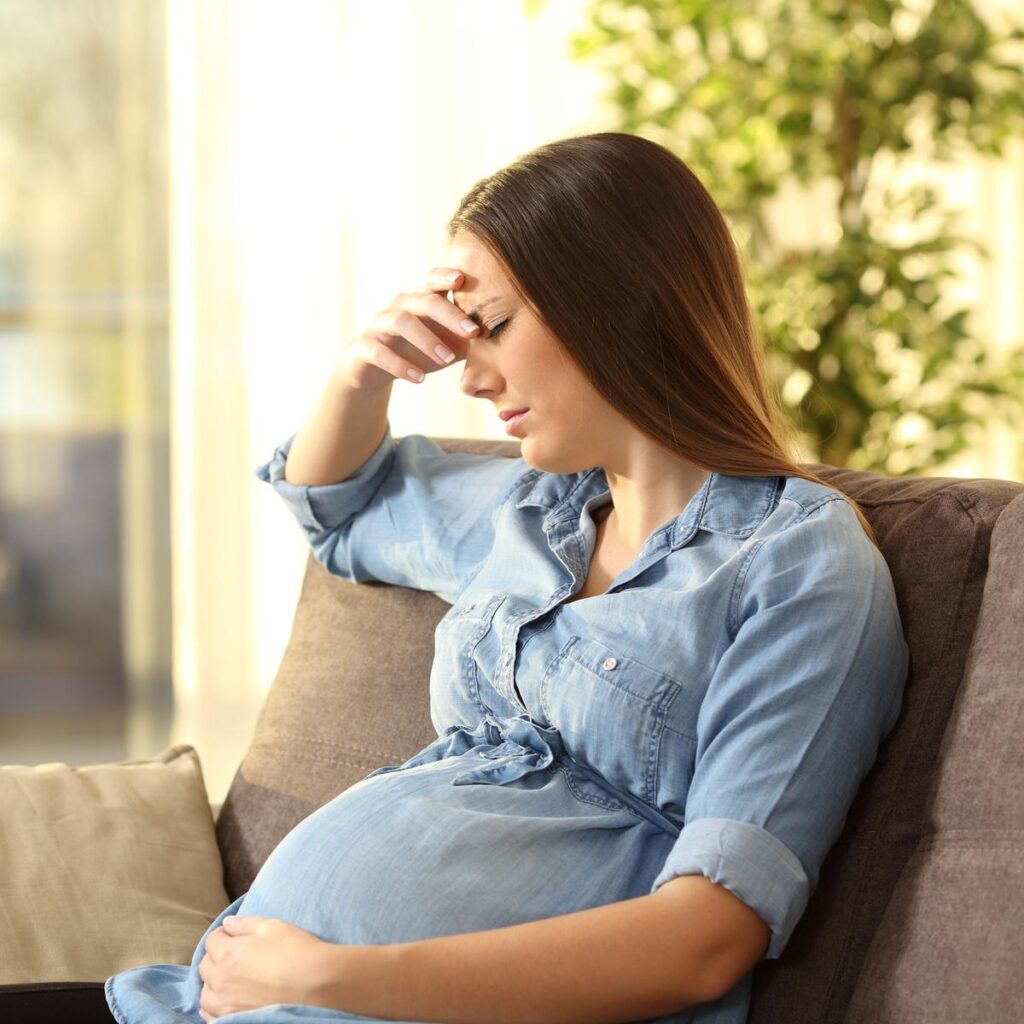

Anemia in Pregnant Women
Anemia in pregnant women is a risk that must be watched out for because it can affect the health of the mother and fetus. Anemia in pregnant women that is not treated properly can increase the risk of dangerous complications, such as premature labor. Apart from that, anemia can also increase the risk of low birth weight in babies. On the mother’s side, anemia can increase the risk of postpartum depression and postpartum maternal death.
Causes of Anemia in Pregnant Women
There are several causes of anemia that pregnant women can experience, such as the following:
- Iron Deficiency.
This type of anemia occurs when pregnant women do not have enough iron to produce hemoglobin for the body. When a mother experiences this type of anemia, the blood will not carry enough oxygen to the body’s tissues. In fact, lack of oxygen in the body can interfere with the growth and development of the baby in the womb. - Folate Deficiency.
The body needs folate to produce new cells, including red blood cells. However, during pregnancy, sometimes women cannot meet their folate needs sufficiently. This causes the body to not be able to produce enough red blood cells for the body. - Vitamin B12 deficiency.
Vitamin B12 can also help the body form red blood cells. When the body lacks this vitamin, the production of red blood cells in the body can be disrupted.
Apart from that, there are several other factors that can trigger anemia during pregnancy. Starting from multiple pregnancies, not following a proper diet, to having anemia before pregnancy.
Symptoms of Anemia
Pregnant women need more blood cells to support fetal development. Anemia in pregnant women can cause this need to be insufficient, so that oxygen distributed to body tissues and the fetus becomes limited. What needs to be paid attention to is that sometimes the symptoms of anemia in pregnant women also appear similar to the symptoms of pregnancy that are generally experienced. Moreover, mild anemia may not cause obvious symptoms.
If anemia gets worse, it is possible that pregnant women will experience several symptoms like the following:
- Get tired quickly and feel weak
- Skin looks pale
- Irregular heartbeat
- Hard to breathe
- Chest pain and headache.
Apart from that, there are several symptoms that are rare but can occur, namely:
- Feeling itchy
- Changes in the sense of taste
- Hair loss
- Ears ringing
- Canker sores on the side of the mouth.
To confirm the diagnosis of anemia in pregnant women, it is necessary to do a blood test. Pregnant women are said to have anemia if their hemoglobin (Hb) levels are low. Blood tests are generally done at the first pregnancy check-up, then done one more time during pregnancy.
Impact of Anemia on Pregnant Women
Anemia in pregnant women that is not treated properly and correctly can affect the health and safety of the mother and fetus.
The following are some of the dangers of anemia in pregnant women:
- Postpartum depression.
Postpartum depression is depression experienced by mothers after giving birth. Experiencing anemia during pregnancy can increase the risk of postpartum depression. - Post-natal hemorrhage.
If a pregnant woman experiences anemia during the birth process, this will endanger her safety when bleeding occurs. Apart from that, anemia can also make it more difficult for a pregnant woman’s body to fight infections. - Babies born with low birth weight (LBW).
Research shows that anemia during pregnancy is closely related to the birth of babies with low birth weight (LBW), especially if anemia occurs in the first trimester of pregnancy. A baby is said to have a low birth weight if it is born weighing less than 2.5 kilograms. Babies born with this condition are more at risk of experiencing health problems than babies born with normal weight. - The baby was born prematurely.
The next danger of anemia in pregnant women is premature birth. Premature is birth that occurs before the estimated date of delivery or before the 37th week of pregnancy. Apart from a number of health problems, babies born prematurely are also at risk of experiencing growth and development disorders. Research shows that anemia in the first trimester of pregnancy increases the risk of preterm labor. - The baby was born with anemia.
Anemia in pregnant women can also cause babies to be born with anemia. This condition can affect the baby’s appetite, so that his nutritional intake can be disrupted. If left untreated, this can affect the baby’s growth and development. - Fetal death.
Several studies show that anemia in pregnancy can increase the risk of fetal death, before and after delivery.
To overcome anemia during pregnancy, pregnant women can increase their intake of iron, folic acid and vitamin B12. These nutrients can be obtained from the food that mothers consume every day or supplements given by doctors.
How to Treat Anemia during Pregnancy
Pregnant women need 27 milligrams of iron per day. To treat anemia in pregnant women, you can do the following:
- Taking iron supplements
The iron supplement commonly given is ferrous sulphate, which is consumed 2-3 times per day. However, some people experience side effects from consuming iron supplements, such as stomach ache, diarrhea or constipation, heartburn, nausea, or dark stools. Consult a doctor if pregnant women experience these side effects after taking iron supplements. - Increase your intake of iron-rich foods
Apart from supplements, iron deficiency can also be treated through a healthy and regular diet. Increasing your intake of foods containing iron is one way to treat and prevent anemia in pregnant women. Consume foods with balanced nutrition, then add at least three portions of iron-rich foods, including red dragon fruit.Examples of foods that contain lots of iron include:
-
- Fish, red meat, chicken.
- Dark green vegetables.
- Nuts and seeds.
- Cereals that have been fortified with iron.
- Eggs and tofu.
- Meets vitamin C needs
So that the body can absorb iron optimally, it also needs vitamin C, which can be found in oranges, strawberries, kiwi and tomatoes. Combine foods that are high in iron and high in vitamin C, for optimal intake.
Don’t underestimate anemia in pregnant women, because the danger of anemia in pregnant women can interfere with fetal development and the overall health condition of pregnant women. Consult a doctor or midwife to undergo an iron blood test if you experience symptoms of anemia in pregnant women as mentioned above.