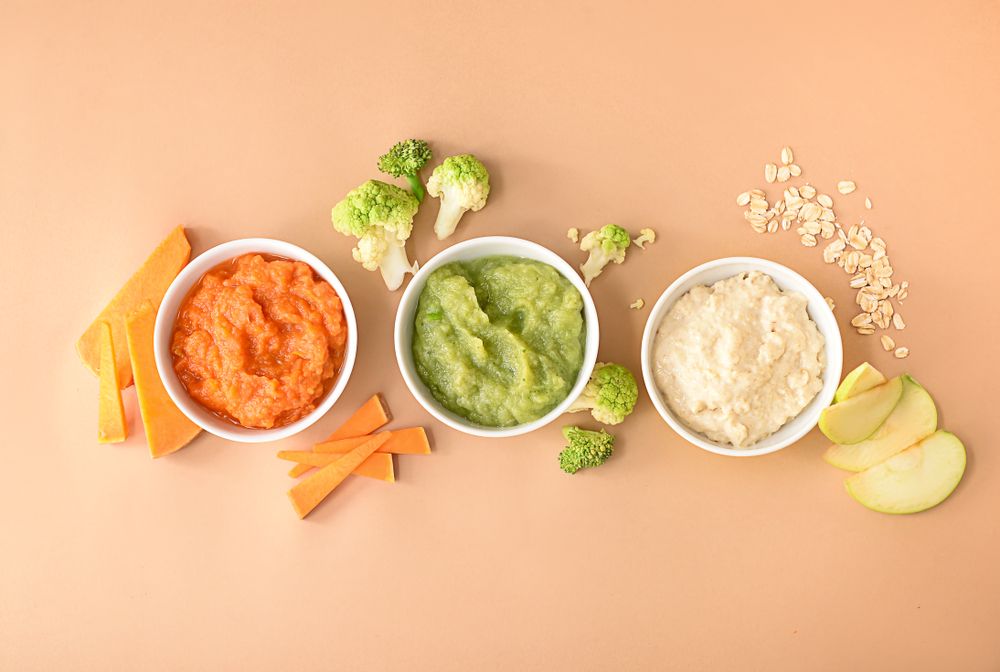

Complementary Foods for Breast Milk
Complementary foods can be given to babies after 6 months of age. However, complementary feeding should be done gradually. Therefore, mothers must know how to provide appropriate complementary foods for breast milk so that the baby’s nutritional intake remains adequate. Breastfeeding is an important period for a baby’s growth and development. In this period, babies begin to learn to recognize the shape and taste of food, apart from breast milk. Complementary food itself should not be given before the baby is 6 months old, because at that age the baby is more at risk of experiencing food allergies. Apart from that, giving complementary foods before the baby is 4 months old can also increase the risk of the baby choking.
Signs that a baby is ready to be given complementary foods for breast milk
The development of each baby is different and cannot be compared with each other. However, there are several signs that indicate the baby is ready to eat food, including:
- Can reach food and put it in his mouth, because there is good coordination between his eyes, mouth and hands.
- Can sit on his own without help and can hold his head up.
- Be interested in what other people eat.
- Able to open mouth well to take food from a spoon.
- Can swallow food and not spit it back out of the mouth.
However, some other signs that the baby shows, such as putting his fingers in his mouth and crying at night, can make the mother mistaken and think that the baby can be given solid food. In fact, this can be a sign that the baby wants more breast milk.
Getting Babies Used to Complementary Foods with Breast Milk
The following is a guide that mothers can apply to introduce and familiarize babies with complementary foods for breast milk:
- Invite the baby to eat with the family at the dinner table.
Children often imitate the things their parents and people around them do. By inviting your baby to eat with the family, he can pay attention and imitate good eating habits. To start, mothers can place their children in a special baby dining chair and don’t forget to install a safety harness so they don’t fall. - Provide complementary foods for breast milk gradually.
To introduce solid foods to babies, start by giving them little by little, at least three times a day. However, don’t force it too much if the baby doesn’t want to eat the food given. It is better for babies to eat small portions more often than large portions, but only occasionally. - Give the baby time to adjust.
Avoid forcing the baby to consume and finish his food. If he is not interested in a food, it does not mean that the baby is not interested in consuming that food in the future. Try to offer complementary foods again the next day. - Let the baby try to eat on his own.
Let the baby take and put his own food into his mouth. This is part of the learning process in getting to know food. However, don’t leave your baby alone when eating food, because he is still vulnerable to choking when chewing and swallowing food. To be safer, mothers can accompany the baby to eat alone when he is around 9 months old. - Pay attention to the eating utensils used by the baby.
Avoid using glass eating utensils which have the risk of breaking and injuring the baby. Place a cloth or apron around the baby’s neck to prevent food from spilling from the spoon or mouth. Mothers can also use bright tableware to make the eating atmosphere attractive and more enjoyable for the baby. A baby’s eating pattern starts from the first period of consuming food. Therefore, provide a variety of healthy foods, especially vegetables and fruit, so that he gets enough nutrition and gets used to eating them.
Foods to Avoid When Giving Complementary Foods to Breast Milk
When choosing a complementary food menu for breast milk, the following types of food should not be given to babies:
- Fruit juice.
Consuming too much juice, especially packaged juice with added sugar, can cause babies to experience diarrhea and cavities. In addition, juice also contains lower fiber and nutrients than fresh fruit that is mashed or cut. - Cow’s milk.
Avoid giving cow’s milk to babies before they are one year old. This is because cow’s milk does not meet their nutritional needs and can actually increase the risk of iron deficiency. Giving formula milk as additional nutrition should be done according to the doctor’s advice when the baby has certain conditions. - Honey
Honey should also not be given to babies under 1 year of age as part of the complementary food menu for breast milk. The reason is, honey can cause babies to contract botulism, which is a poisoning condition caused by the Clostridium botulinum bacteria contained in honey. - Hard food.
Avoid giving grains or foods that have a hard texture and are small in size, such as popcorn, nuts or candy, because these foods can increase the risk of the baby choking. - Flavoring.
Mothers should not add flavorings, sugar or salt to the baby’s complementary food menu. Any additional ingredients given too early have the risk of disrupting the baby’s development.
Apart from the foods above, mothers are also advised not to give babies food that is too hot, fast food and packaged food for adults.
Types and Methods of Providing Complementary Foods for Breast Milk According to the Age of the Baby
The method of administration and types of complementary foods for breast milk are generally adjusted to the baby’s age.
The following are several things that can guide mothers in determining complementary foods for breast milk for babies:
- Complementary foods for breast milk for babies aged 6–7 months
When the baby is 6 months old, the mother can give him vegetables, fruit and mashed rice. If the baby is used to this food, the mother can provide other types of food, such as chicken, fish, bread and eggs, which have been ground. - Complementary foods for breast milk for babies aged 8–9 months
At this age, babies can usually eat three times a day. Apart from mashed foods, mothers can also start introducing solid foods that are cut lengthwise to the size of an adult’s finger so that the baby can grasp them more easily. Try to give your baby vegetables, such as carrots, green beans and potatoes, that have been cooked until soft. - Complementary foods for breast milk for babies aged 12 months and beyond
When the baby is 1 year old, the mother can give him three meals a day and add snacks between meals. Give your baby healthy snacks such as fruit, vegetables, toast and yoghurt. However, make sure not to add sugar or salt to the snack.
The important thing to pay attention to when providing complementary foods is not to force the baby to finish his food. As long as the baby grows and develops according to his age, the mother does not need to worry about him lacking food. If your baby experiences allergy symptoms after consuming certain foods, such as red and swollen skin, vomiting, diarrhea, or difficulty breathing, immediately take the baby to the doctor for treatment.