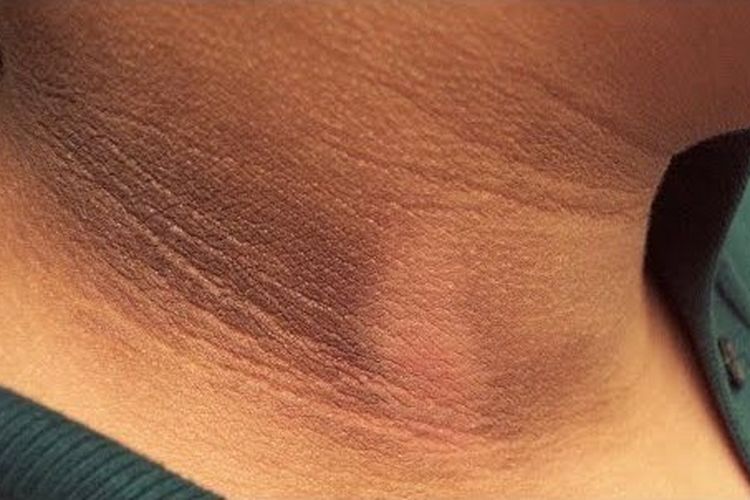

Understanding Hyperpigmentation
Hyperpigmentation is a condition when certain areas of skin become darker than the surrounding skin color. This condition generally does not cause pain or itching, but can interfere with appearance. Hyperpigmentation can appear black, brown, or gray. This condition can occur in one part of the body or spread to several parts of the body. During pregnancy, not only does the stomach enlarge and weight gain, pregnant women can also experience dark skin. This makes many pregnant women wonder and worry about whether these changes are normal and will return to normal. Dark skin during pregnancy may occur even if pregnant women rarely leave the house and are rarely exposed to sunlight. If a pregnant woman experiences this, there is no need to worry because changes in skin color during pregnancy are normal.
Hyperpigmentation (Darkening of the Skin) During Pregnancy
In the medical world, one of the conditions that causes blackening of the skin during pregnancy is melasma. Melasma often resembles the shape of a facial mask, so this condition is often also referred to as the mask of pregnancy or chloasma gravidarum. This condition is usually triggered by hormonal changes during pregnancy which stimulate melanin production in the body. Melanin is the body’s natural pigment which gives color to the eyes, skin and hair.
Melasma is characterized by the appearance of darker colored patches around the nose, upper lip, forehead, cheekbones, neck, jaw, arms and other parts exposed to sunlight. This condition can get worse if a pregnant woman’s skin is continuously exposed to sunlight. However, it’s not just melasma on the face, black skin color which is triggered by hormonal changes during pregnancy can also occur in other areas that were already dark before, for example scars, nipples, moles and body folds. Apart from blackened skin, pregnancy can also make a pregnant woman’s skin more sensitive and acne prone, and stretch marks appear.
Can black skin during pregnancy disappear?
Dark skin during pregnancy actually doesn’t need to be too worrying because a pregnant woman’s skin will not turn black forever. After giving birth, the skin will generally return to its original color by itself.
So that the blackness doesn’t get worse or appear in other areas of the body, there are several things that pregnant women can do, namely:
- Use sunscreen with an SPF of at least 30, especially when doing outdoor activities, so that your skin is protected from direct sun exposure.
- Wear long clothes and a wide-brimmed hat when doing outdoor activities.
- Avoid outdoor activities for long periods between 10 am and 4 pm because at that time exposure to sunlight is strongest, so it can damage the skin.
- Use a facial cleanser with a formulation that does not irritate the skin, so that melasma does not get worse.
- Avoid waxing, because this can make your melasma worse.
- Use a serum to treat dark spots that does not contain retinol and hydroquinone.
- Use make-up that is safe for pregnant women if you feel that the appearance of black spots on your skin is disturbing your appearance.
- Using natural ingredients, such as aloe vera, to help overcome this skin problem.
Apart from protecting and caring for the skin, pregnant women should also not forget to maintain overall health. Make sure pregnant women continue to eat nutritious food, meet their fluid needs, get enough rest, and do light exercise regularly.
Dark skin during pregnancy is generally not something to worry about. However, a change in skin color in the folds of the body accompanied by a change in skin texture to become velvety could be acanthosis nigricans. This condition is usually related to obesity and gestational diabetes which can increase the risk of pregnancy complications. If a pregnant woman experiences this, tell the doctor when she is having a routine pregnancy check-up.