
Understanding Hemorrhoids
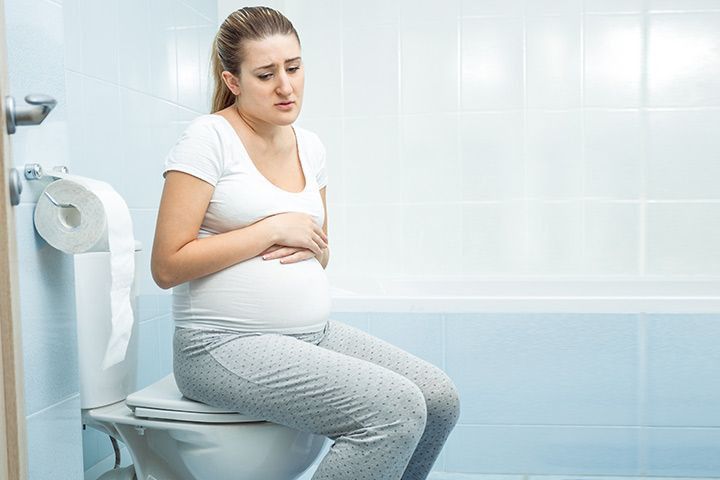
Mothers complaints during pregnancy are very varied, one of which is hemorrhoids. Hemorrhoids during pregnancy is a condition when the anal blood vessels become dilated and swollen. This will be very annoying and cause discomfort, itching, pain and also pain in the anus and surrounding area, occasionally bleeding when defecating. It is estimated that around 25-35 percent of pregnant women experience this condition, also known as hemorrhoids. Hemorrhoids during pregnancy usually begin to appear at week 25 or in the final trimester of pregnancy. Experiencing hemorrhoids during pregnancy increases the chances of pregnant women experiencing hemorrhoids again after giving birth. Although they generally occur in the third trimester, hemorrhoids can also appear in earlier trimesters of pregnancy.
Causes of hemorrhoids during pregnancy
The causes of hemorrhoids during pregnancy are varied. However, most of it is caused by the enlarging size of the uterus. During pregnancy, the pregnant mother’s uterus will continue to enlarge following the growth of the fetus. The increase in size of the uterus will create pressure on the blood vessels around the anus. As a result, blood flow around the uterus and pelvis will be disrupted, causing swelling to occur.
Although increasing the size of the uterus is the factor that most often causes hemorrhoids during pregnancy, it does not rule out the possibility that this condition can also be caused by other things, for example because pregnant women suffer from constipation. When constipated, the stool will be harder than usual. This makes pregnant women need extra energy to remove it. When you push too hard, it can put pressure on the blood vessels around the anus. If this occurs for a long time, pressure on the anal blood vessels can cause swelling, resulting in hemorrhoids.
Apart from that, factors that can also cause hemorrhoids during pregnancy are pregnant women standing for too long, hormonal changes (high levels of the hormone progesterone tend to make blood vessels swell easily) and an increase in the amount of blood which makes blood vessels widen. If pregnant women want to know the exact cause, then pregnant women need to see a doctor.
How to treat hemorrhoids or hemorrhoids
Hemorrhoids usually disappear by themselves after the pregnant woman gives birth. However, just waiting and hoping for a speedy recovery is not a good decision. Pregnant women can prevent hemorrhoids from getting worse and speed up healing by implementing the following methods:
- Pregnant women are advised to consume foods high in fiber, such as chia seeds, apples and cucumbers, and drink lots of water to prevent or overcome constipation during pregnancy.
- Do light exercise regularly for 30 minutes every day. It’s best to ask your doctor first about what type of exercise is good for pregnant women.
- Keep the area around the anus clean. Avoid using wet wipes or soap that contains fragrance when cleaning it.
- Try not to sit or stand for too long. This can put excessive pressure on the hemorrhoids and make them difficult to heal or even get worse. If you really have to sit for a long time, pregnant women can use a hemorrhoid pillow, which is a ring-shaped sitting pillow, so that the hemorrhoids are not pressured.
- Try doing Kegel exercises. This exercise can improve blood flow and tighten the muscles around the anus, vagina and pelvis.
- Don’t hold your bowels for too long. This is never done because if you hold it in, the stool will harden even more and pregnant women will need to push hard to expel it.
- Compress the hemorrhoid area with ice cubes wrapped in a cloth, for at least 10 minutes every day.
- If your doctor gives you supplements or laxatives, use them regularly.
Pregnant women can also follow the methods below to relieve pain and itching that may arise due to hemorrhoids:
- Soak in warm water or sitz bath
Sitz bath is a warm water therapy that is useful for reducing itching, irritation, and relaxing the pelvic muscles of hemorrhoid sufferers. Pregnant women can do a sitz bath by sitting or squatting and soaking the anal area that is experiencing hemorrhoids in a basin filled with warm water. For maximum results, do this 3-4 times a day for 10-15 minutes. Make sure the water is deep enough so that it can soak the anal area and intimate organs of pregnant women. - Enough rest
Pregnant women are advised not to do various strenuous activities that make the body tired, because it is not good for fetal development. When pregnant, mothers are advised to get more rest, because the body becomes tired more easily when pregnant. Apart from restoring energy to the body, rest helps reduce the bad effects of hemorrhoids. If your mother’s hemorrhoids get worse, you should see a doctor to get the right treatment. - Improve your habits when defecating
There are things about defecation that pregnant women should pay attention to if they have hemorrhoids, namely avoid pushing and keep the anus clean. Straining can make hemorrhoids worse. If you have difficulty defecating, pregnant women can try raising their legs by standing on a short stool. This position can also make it easier to defecate without straining.
Furthermore, pregnant women must also pay attention to anal hygiene. If there are hemorrhoids that protrude outward, it is recommended to clean the anus with gently flowing water. After that, don’t forget to dry it by gently patting a clean washcloth on the anus area. - Use medication according to doctor’s instructions
If hemorrhoids do not improve, immediately consult a gynecologist. If necessary, ask for medication to relieve pain and swelling. For cases of hemorrhoids in pregnant women, doctors will usually prescribe pain relievers in the form of creams or ointments that are applied to the anal area.
Please remember, whatever a pregnant woman consumes and does during pregnancy will affect the condition of the fetus in the womb. Therefore, before pregnant women apply the methods for treating hemorrhoids during pregnancy above, consult with your obstetrician first. Especially if the hemorrhoids get bigger, painful, itchy, and cause heavy bleeding in the anus.