
Understanding Breast Abscess
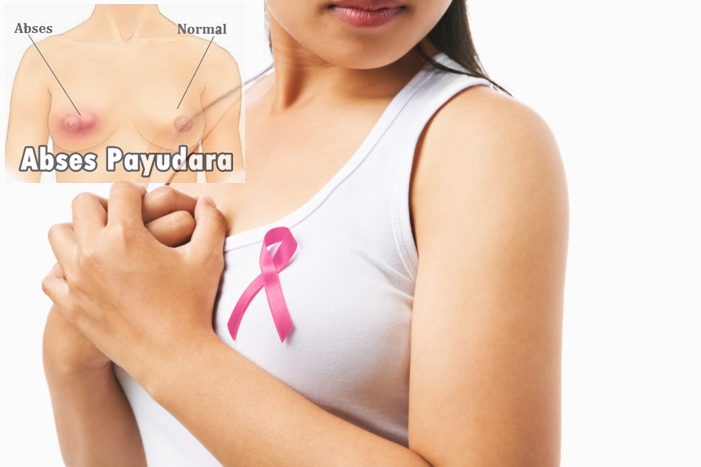
Breast abscess or often called a breast boil is a condition where there is a lump under the layer of skin in the breast that is filled with pus and causes pain. This disease appears due to infection by certain bacteria. This disease is often experienced by breastfeeding mothers. If a breastfeeding mother experiences a breast abscess, the mother needs to receive treatment immediately. But don’t worry, breast abscess sufferers can still breastfeed their children with uninfected breasts.
Causes of Breast Abscess
Breast abscesses can occur in women who are not breastfeeding or who are breastfeeding. In women who are not breastfeeding, breast abscesses can occur due to injury to the breast, injured nipples, diabetes or immune weakness, or nipple piercings. Women who have a history of breast implant surgery are also at risk of developing breast abscesses. In women who are breastfeeding, bacteria can attack the breasts through the nipple during breastfeeding, or through gaps in the nipple or areola (the dark area around the nipple). Blocked milk ducts can also cause breast infection or mastitis, which can develop into a breast abscess if not treated immediately. Inflammation of breast tissue (mastitis) that is not treated immediately or is caused by a blockage in the breast glands, is the main cause of pus gathering (abscess) in the breast.
Breast infections can occur due to several things. One of them is the entry of bacteria from the baby’s mouth into the milk ducts through cracks in the nipple. Although it occurs more often in breastfeeding mothers, women who are not breastfeeding and a small number of men can also experience breast abscesses.
The following are several factors that can also increase a person’s risk of suffering from a breast abscess, including:
- Have had breast surgery in the last 2 months.
- Have ever had a breast infection.
- Has nipple piercings.
- Elderly.
- Have a smoking habit.
- Suffering from diabetes.
- Suffering from HIV/AIDS.
Breast Abscess Symptoms
A breast abscess is shaped like a lump under the skin, when touched it feels soft and can be moved. However, this lump cannot be felt if the abscess grows deeper in the breast. Breast abscesses can also usually appear along with boils in the breast. The symptoms experienced by breast abscess sufferers also vary depending on the severity.
If you suffer from a breast abscess, a person may experience the following symptoms:
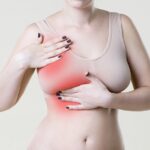
- The breasts look red, swollen and feel warm.
- Breast pain persists until it interferes with activities.
- If touched, there is a lump that does not disappear after breastfeeding.
- Pus discharge from the nipple.
- Breast pain causes mothers to be unable to breastfeed their children.
- Fever for more than 3 days and does not improve even after treatment.
Breast abscesses form due to mastitis that is not treated immediately. Therefore, breastfeeding mothers need to be alert and immediately see a doctor if they feel a lump in the breast, the breast feels painful, swollen or reddish. A woman is also advised to carry out breast self-examination (BSE) every 7 days after menstruation. This aims to find abnormalities in the breasts early.
Routine breast examinations also need to be carried out clinically by a doctor. This examination is called SADANIS. A woman is advised to do SADANIS regularly starting at the age of 20, every 1-3 years. After the age of 40 years, SADANIS needs to be done regularly at least once a year. BSE and SADANIS are carried out as a form of anticipation and early examination of breast disease, especially if there is a history of breast cancer in the family.
Breast Abscess Treatment
To diagnose a breast abscess, the doctor will perform a physical examination of the patient’s breasts. Next, the doctor will ask the patient to undergo a breast ultrasound (mammary ultrasound). Ultrasound is used to check the depth and location of infection in the breast, and determine whether the lump is mastitis, breast abscess, or tumor. The doctor will also take a sample of breast milk or pus from the abscess using an injection, which will then be examined in the laboratory. From this examination, the doctor can find out the cause of the infection and determine the appropriate type of treatment. Apart from ultrasound, imaging can also be done with mammograms and breast biopsies. This is only done if the mastitis sufferer is a woman who is not breastfeeding. This test is carried out to ensure that the symptoms experienced by the sufferer are not symptoms of cancer.
To treat breast abscesses in breastfeeding mothers, the doctor will give antibiotics, such as cephalexin. Nursing mothers can continue to breastfeed their children even if they use this drug. Cephalexin is consumed for 10-14 days at a dose of 500 mg, every 6 hours. Breast abscesses can also occur in women who are not breastfeeding. To overcome this, the doctor can give one of the following drugs:
- Clindamycin 300 mg, taken every 6 hours
- Amoxicillin/clavulanate 500 mg, taken 3 times a day.
Apart from the treatment methods above, there are other procedures that can be done to treat breast abscesses, namely:
- Remove pus with a syringe.
- Drain the pus out with the help of a catheter.
- Treating breast abscesses with a special procedure called vacuum assisted biopsy.
Meanwhile, pain due to a breast abscess is usually treated by taking paracetamol and compressing the breast with a towel soaked in warm water or ice water. In healing breast abscesses, patients who are breastfeeding need to continue to express breast milk every 2 hours from the affected breast. This is done to prevent further infection. However, children should not breastfeed from the affected breast because of the risk of contracting an infection. In addition, breast abscess sufferers also need to get enough rest, eat nutritious food, drink more water, and manage stress well. These things are done to speed up the healing of breast abscesses.
Complications of Breast Abscess
There are several complications that can occur due to breast abscess, including:
- The occurrence of recurrent breast infections.
- The appearance of scars or scar tissue.
- The size of the breasts decreases so that they look unbalanced.
- Prolonged (chronic) breast abscess.
- Spread of infection to other areas of the body.
- The appearance of abnormal ducts in the breast.
- Abnormalities in the lymph channels that cause swelling in the arms (lymphedema).
Breast Abscess Prevention
Mastitis is one of the causes of breast abscess. There are several things that breastfeeding mothers can do to prevent mastitis, including:
- Before and after breastfeeding, make sure the nipples are clean, wipe the nipples and areola with sterile cotton dipped in warm or cold water.
- Always wash your hands before and after breastfeeding, to avoid the possibility of spreading bacteria.
- Breastfeed the child in the right position, and ensure that the nipple and the brownish part around it (areola) are perfectly attached to the child’s mouth.
- Breastfeed with both breasts alternately and do not use the same breastfeeding position continuously.
- Breastfeed regularly, namely every 2 or 3 hours. Avoid long breaks between feedings.
- To prevent swelling and blockage of the milk ducts, always empty the breasts by pumping them if they don’t run out when breastfeeding the baby.
- Wear a bra that fits properly and don’t wear tight clothing to prevent irritation of the breasts.
- Do not use creams and ointments on the nipples.
- Do not use nipple pads long term.
- Drink plenty of water to avoid dehydration.
Always consulting a doctor regarding the mother’s conditions and complaints during the breastfeeding period is the best step. Not only breastfeeding mothers, if mothers who are not breastfeeding have complaints, they should immediately consult a doctor. This is done so that undesirable things do not happen which could have fatal consequences.