
Understanding Endometriosis
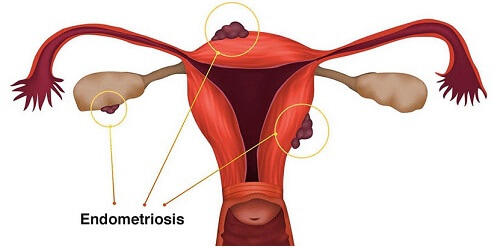
Endometriosis is a disease of the female reproductive system. This condition can cause tissue from the inner lining of the uterine wall to grow outside the uterine cavity. Endometriosis occurs when endometrial tissue grows outside the uterus. This tissue, called endometrium, can grow in the ovaries, intestines, fallopian tubes (egg tubes), vagina, or in the rectum (the final part of the intestine that connects to the anus). Before menstruation, the endometrium will thicken as a place for the fertilized egg to attach. If you are not pregnant, the endometrium will shed, then leave the body as menstrual blood. In the case of endometriosis, the endometrial tissue outside the uterus also thickens, but cannot shed and leave the body. This condition can cause complaints of pain, and can even cause infertility or female infertility.
Stages of Endometriosis
Endometriosis is divided into four grades, which depend on the location, number, size and depth of the endometrial layers. The following are the four levels of endometriosis and their characteristics:
- Minimal endometriosis. Small, shallow endometrial tissue appears in the ovaries. Inflammation can also occur around the pelvic cavity.
- Mild endometriosis. There is small, shallow endometrial tissue on the ovaries and pelvic walls.
- Intermediate endometriosis. There is some endometrial tissue that is quite deep in the ovaries.
- Severe endometriosis. There is deep endometrial tissue in the ovaries, pelvic walls, fallopian tubes, and intestines.
Endometriosis Symptoms
The main symptom of endometriosis is severe pain in the lower abdomen and around the pelvis, which is associated with menstruation. Although in general women will experience menstrual pain, the pain in women with endometriosis feels much more severe, and can increase over time.
Other endometriosis symptoms include:
- Stomach cramps, one to two weeks during menstruation
- Excessive blood volume during menstruation
- Pain in the lower back during menstruation
- Bleeding outside the menstrual cycle
- Dyspareunia (Continuous, recurring pain in the genitals and occurs before, during, or after sex)
- Pain when defecating or urinating
- Diarrhea, bloating, nausea, constipation, and fatigue during menstruation
- Infertility (sterility)
Causes of Endometriosis
It is not yet known for certain what causes endometriosis.
However, experts suspect that endometriosis is triggered by the following conditions:
- Retrograde menstruation. Retrograde menstruation is a condition in which menstrual blood flow reverses direction. In this condition, menstrual blood does not flow out of the body through the vagina, but enters the pelvic cavity through the fallopian tubes (ovaries). The endometrial cells in menstrual blood will stick to the pelvic walls and the surface of the pelvic organs. These cells will then continue to grow, thicken, and cause bleeding during the menstrual cycle.
- Immune system disorders. It is suspected that there is a failure of the immune system, so it cannot destroy endometrial cells that mistakenly grow outside the uterus.
- Changes in immature cells. These immature cells can turn into endometrial cells, one of which is influenced by the hormone estrogen.
- Changes in peritoneal cells. Peritoneal cells are the cells that line the inside of the stomach. It is suspected that peritoneal cells can change into endometrial cells if they are influenced by hormones or the immune system.
- Migration of endometrial cells. Endometrial cells can move to other parts of the body through the blood or lymphatic system.
- Surgical procedures. Caesarean section and hysterectomy can cause endometrial cells to stick to the incision area.
Endometriosis Risk Factors
The following are several factors that increase the risk of someone suffering from endometriosis, namely:
- History of endometriosis in mother, aunt, or sister.
- Never given birth.
- Aged between 25-40 years.
- Having uterine abnormalities.
- Suffering from certain medical conditions that can block the menstrual blood pathway.
- Having a disorder of the immune system.
- Consuming alcoholic beverages.
- Having a vagina, cervix, or uterus with an abnormal shape that prevents menstruation.
- Starting menstruation at a too young age.
- Short menstrual cycle, for example less than 27 days.
- Experiencing menopause at an older age than normal.
Endometriosis Diagnosis
The doctor can suspect that the patient is suffering from endometriosis if there are a number of symptoms that have been described previously. However, to be sure, the doctor will perform a laparoscopy. In laparoscopy, the doctor will give the patient general or partial anesthesia, then make several small incisions around the navel area. Next, the doctor will insert a small tube equipped with a camera (laparoscope) to look inside the patient’s stomach. Through laparoscopy, the doctor can take tissue samples (biopsy) for examination in the laboratory. Laparoscopy is the only method used to diagnose endometriosis. Apart from diagnosis, laparoscopy can also be used as a treatment method.
Endometriosis Treatment
Endometriosis treatment aims to reduce symptoms, slow the growth of endometrial tissue outside the uterus, increase fertility, and prevent endometriosis from recurring. Treatment methods include medication, hormone therapy, and surgical procedures, depending on the severity of the symptoms and whether there is still a desire to have children.
- Medicines. The doctor will give pain relievers to reduce the symptoms of pain in endometriosis, namely non-steroidal anti-inflammatory medicine (NSAIDs), such as diclofenac or ibuprofen.
- Hormone therapy. Hormone therapy aims to slow the growth of endometriosis tissue, by limiting or stopping the production of the hormone estrogen. However, hormone therapy cannot increase fertility and prevent complications such as adhesions.
Hormone therapy used to treat endometriosis includes:- Hormonal contraception. Birth control pills, birth control implants, injectable birth control, or spiral (IUD) can inhibit the process of thickening of the endometrial tissue and stop menstruation, so that the pain felt can be reduced.
- Aromatase inhibitor medicine. For example, anastrozole, exemestane, and letrozole function to reduce levels of the hormone estrogen in the body.
- Gonadotropin-releasing hormone (Gn-RH) analogue. This medicine triggers a condition that resembles menopause, by inhibiting the production of the hormone estrogen. As a result, menstruation stops and the size of the endometriosis decreases.
- Progestogen. Progestogen is a synthetic hormone that resembles progesterone. This medicine prevents the ovulation process, namely the release of eggs from the ovaries into the fallopian tubes, thereby triggering endometriosis shrinkage. One example of a medicine containing synthetic progesterone is norethisterone.
- Danazol. It is a medicine that resembles testosterone, and works by reducing the production of hormones produced by the ovaries, namely estrogen and progesterone, thus causing a condition similar to menopause.
3. Operating Procedures. Surgery will be performed if the above methods are no longer effective in treating endometriosis. A number of procedures to treat endometriosis are:
-
- Laparoscopy. For endometriosis patients who still want to have children but feel severe pain, the doctor will recommend a laparoscopic procedure or keyhole surgery. Through laparoscopy, doctors can remove endometriosis tissue, and can also burn the tissue using a laser or electric current.
- Laparotomy. Laparotomy is performed if the endometriosis is very severe and the size is quite large. This procedure is carried out by making a wide incision in the abdominal area, so that the doctor can access the affected organs and remove endometriosis tissue.
- Hysterectomy. Hysterectomy is the surgical removal of the uterus, cervix and both ovaries. Removal of the ovaries will trigger early menopause. However, hysterectomy also does not guarantee that endometriosis will not recur. Please note that this procedure is only performed as a last resort. This is because patients who undergo hysterectomy cannot become pregnant again, and have a higher risk of suffering from heart and blood vessel disease. Therefore, consult your obstetrician first before deciding to undergo a hysterectomy.
How to Prevent Endometriosis
- Pay attention to food health. The first way to prevent endometriosis is with a healthy diet. Proper food intake can help overcome inflammation and pain caused by endometriosis. Consume vegetables and fruit which contain many kinds of vitamins and antioxidants such as vitamin A, vitamin C and beta-carotene which are good for the body. Apart from vegetables and fruit, choose a menu with a high omega-3 content, such as tuna, salmon, sardines or eggs. So food really needs to be considered in this case.
- Regular Exercise. Exercising regularly can reduce menstrual pain caused by endometriosis. Apart from that, exercising for endometriosis sufferers can also improve blood circulation to the body’s organs, maintain nutrition and oxygen flow to the body’s systems, reduce stress, and trigger endorphins in the brain which can reduce pain. Women who exercise regularly will be less likely to develop endometriosis.
- Avoiding Stress. Managing stress is one of the important things that must be done in preventing and treating endometriosis. Doing muscle relaxation and yoga movements can help you avoid stress. Symptoms of this disease can become more severe if a person feels stressed. If lifestyle changes have not been able to overcome the problem you are experiencing, consult a doctor for further examination and suitable therapy options.
Complications of Endometriosis
Endometriosis that is allowed to progress without treatment can cause several complications, such as:
- Fertility disorders or infertility. Endometriosis can cover the fallopian tubes, preventing the egg from meeting the sperm. In rare cases, this disease can damage egg and sperm cells. One-third to one-half of endometriosis sufferers are known to suffer from fertility problems. However, women with mild to moderate endometriosis still have the opportunity to get pregnant. Doctors will advise sufferers not to delay having children before their condition becomes more serious.
- Ovarian cancer. Several studies show that the risk of developing ovarian (ovary) cancer is slightly increased in people with endometriosis. Apart from ovarian cancer, women with a history of endometriosis are also at risk of developing endometrial cancer, although it is very rare.
- Adhesion. Endometriosis tissue can cause a number of body organs to stick together. For example, the bladder and intestines can be attached to the uterus.
- Ovarian cyst. Ovarian cysts are fluid-filled sacs that grow on the ovaries. This condition occurs when endometriosis tissue is located in or near the ovaries. In some cases, cysts can enlarge and cause severe pain.
So it can be concluded that for women who have never given birth or are still single, there is no harm in regularly checking with a gynecologist regarding the female reproductive organs if they have complaints that may be felt to be symptoms of endometriosis. This is to avoid the occurrence of unwanted abnormalities which can have fatal consequences in the future.


